

Perceive | Conceptualise | Seize your path
Under any circumstance, a given basic mind set will provide the next impulse. A drive for organization, a lack of need for it, or a lust for chaos. Whatever it is – we strive to balance the disturbed equilibria of what perception brings us. In the analysis of whatever impulse we generate, the question becomes what is leading for the direction and type of impulse? Is it the actually perceived that gives us direction, or is it the equilibrium we are most sensitive to be disturbed by?
In other words – let’s examine the way we deal with perception of structure and chaos. Are some of us more likely to interpret reality as a function of structure? Are some of us more sensitive to the same perceived unbalance in structure, compared to other people? It’s quite a difference whether the reaction to a similar phenomenon is simply more extreme in quantity, or the observed reality is not observed to reflect the same phenomenon and is therefore not leading to any impulse.
Psychological constructs like chaos or structure and order are culturally defined. At least we generally accept to regard this as a function of culture (something which really doesn’t have to be the case). But what happens if we start understanding the two-fold mechanism behind the reaction towards chaos and structure? What happens when we realise the quantitative reaction towards dealing with chaos might be more extreme in another culture, however the mere perception of the construct is differently defined? What happens when we learn to understand that ultimate interrelatedness leads to a total chaos in terms of overseeable quantities of relations, however greatly increases the logically connected constructs..?



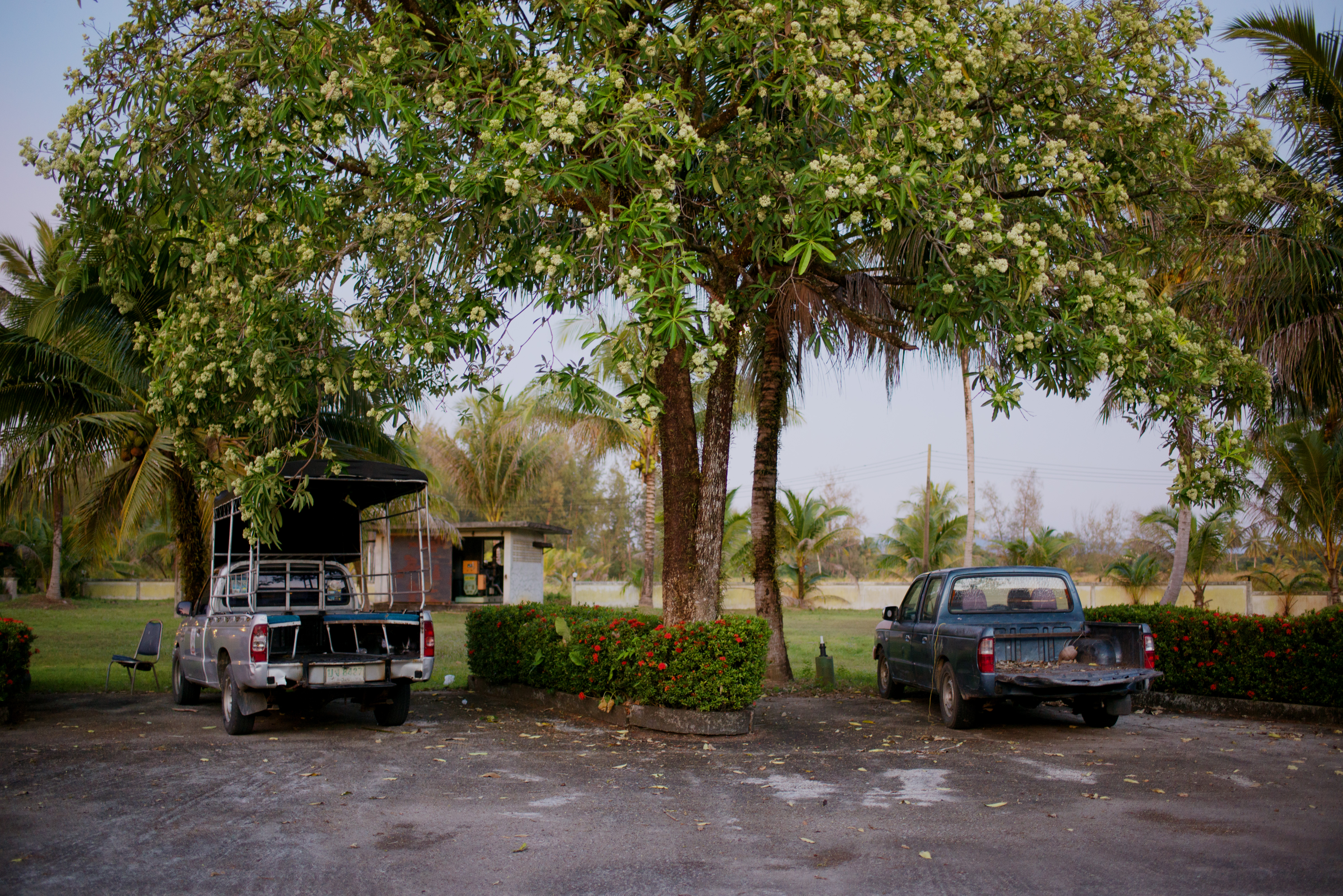
Most mellow colors & nuanced light – welcome to golden hour in South East Asia.


I hit the streets in Granada, Nicaragua. They hit me back. The old town of Granada is extremely touristic and gives the impression of a fully faked film set. Head out of the 10 blocks of old town and you’ll find the true facades of Granada.


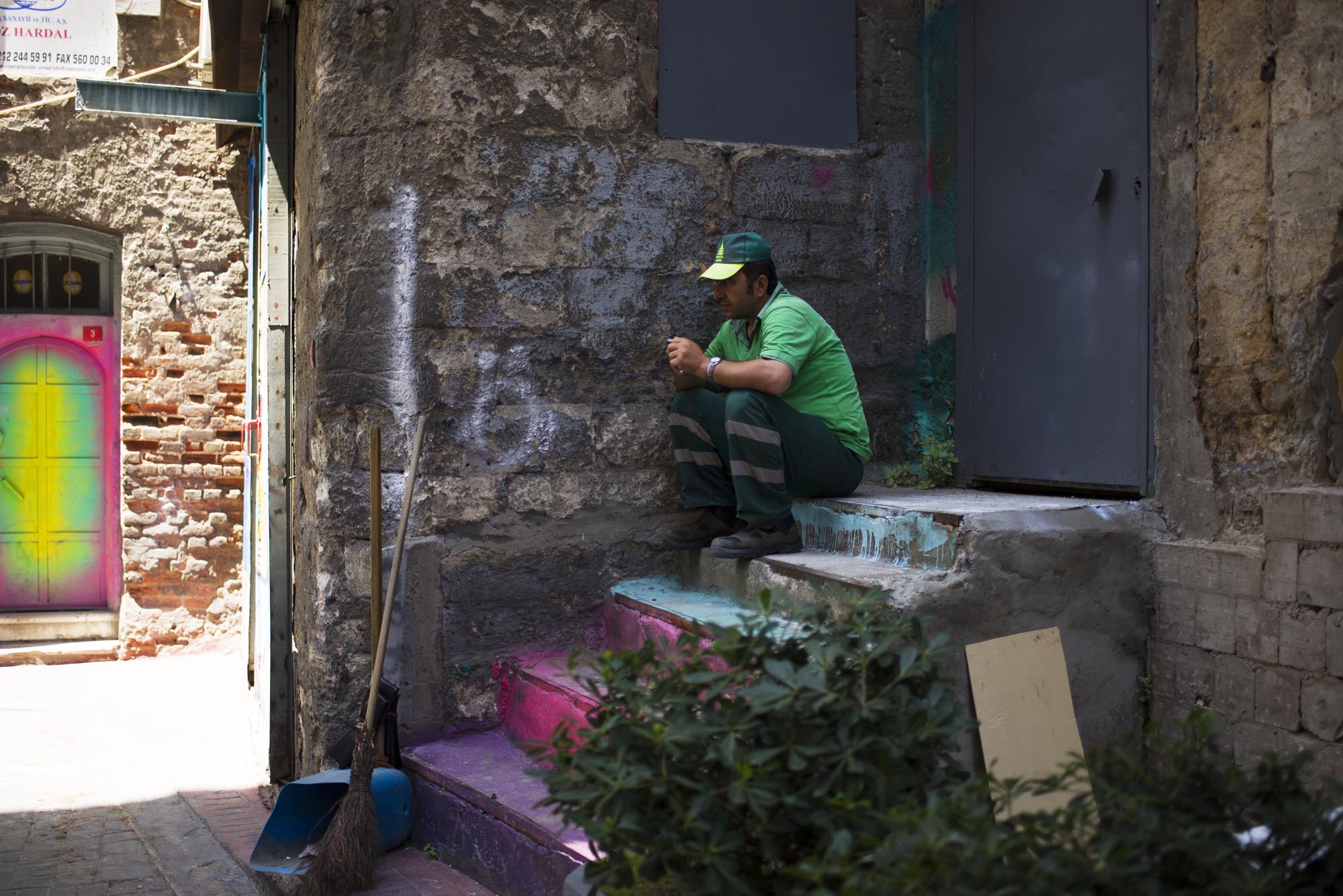
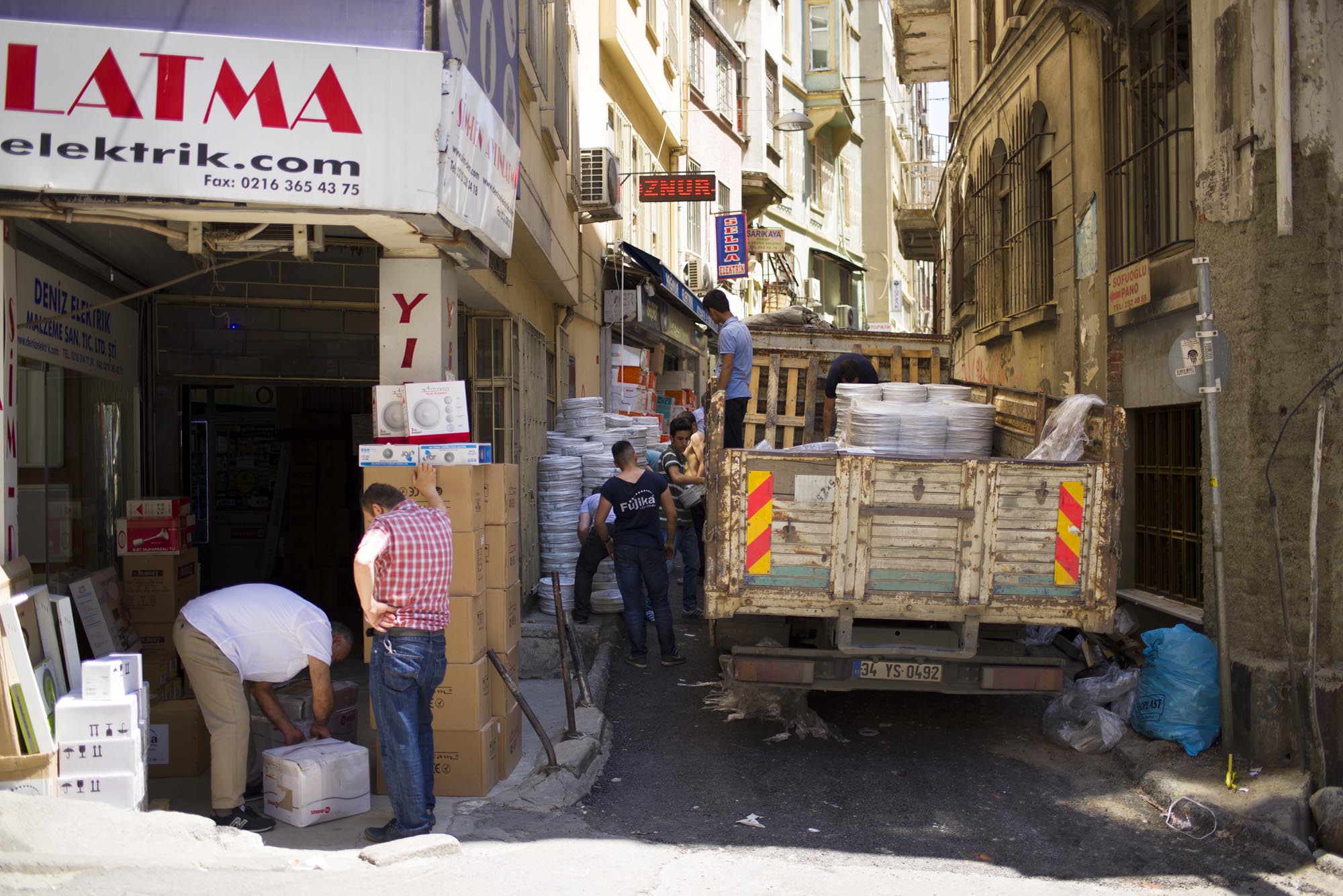
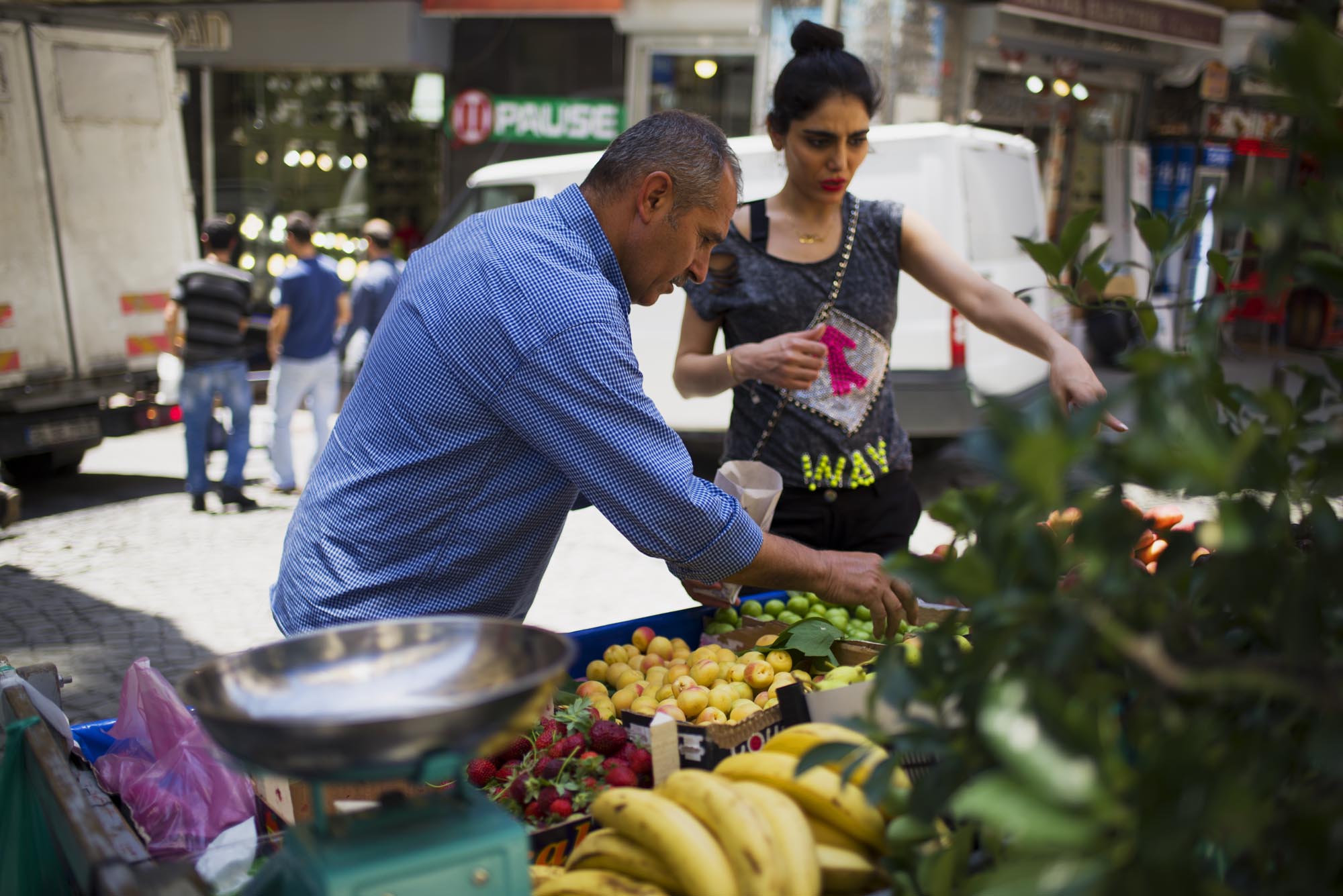
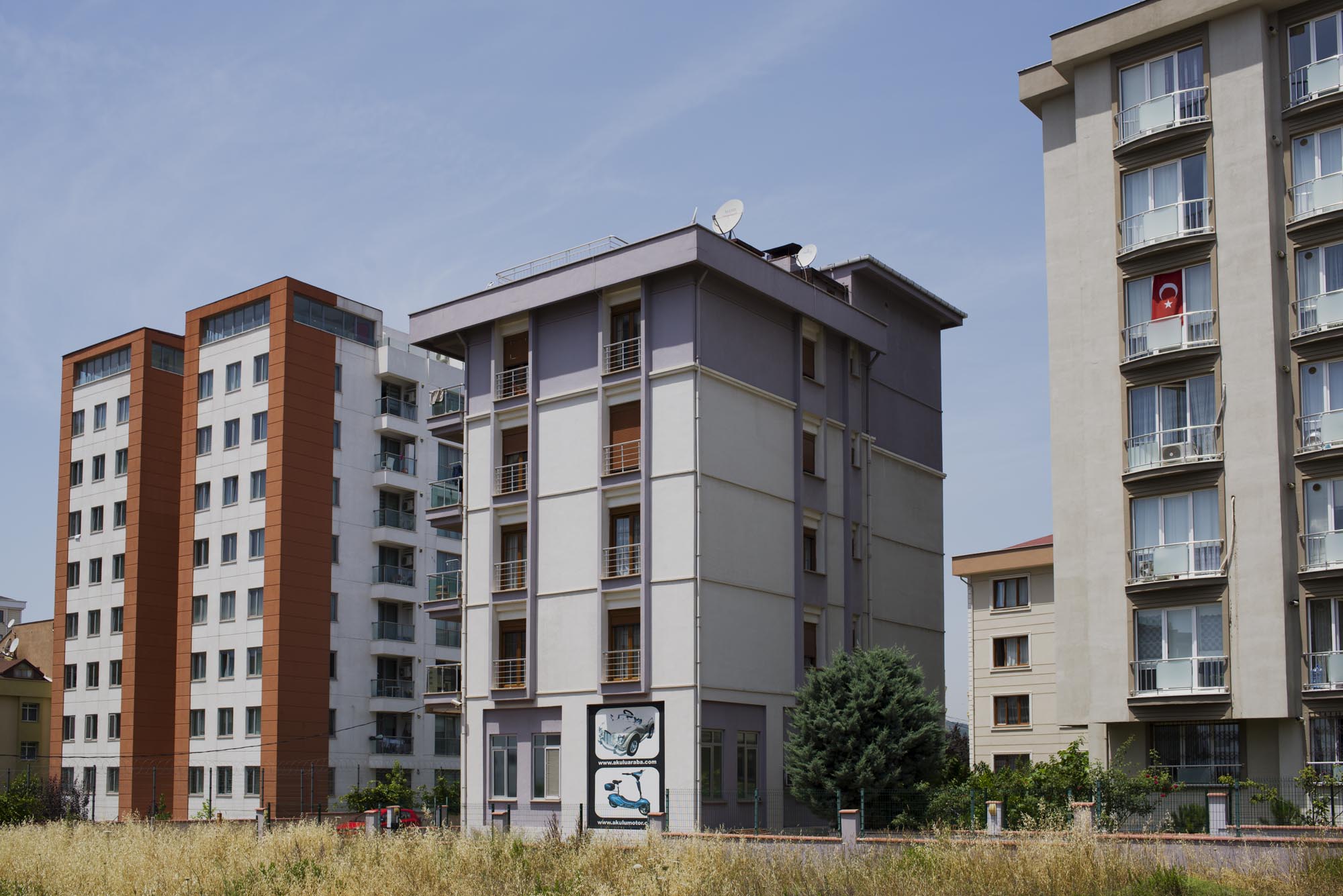
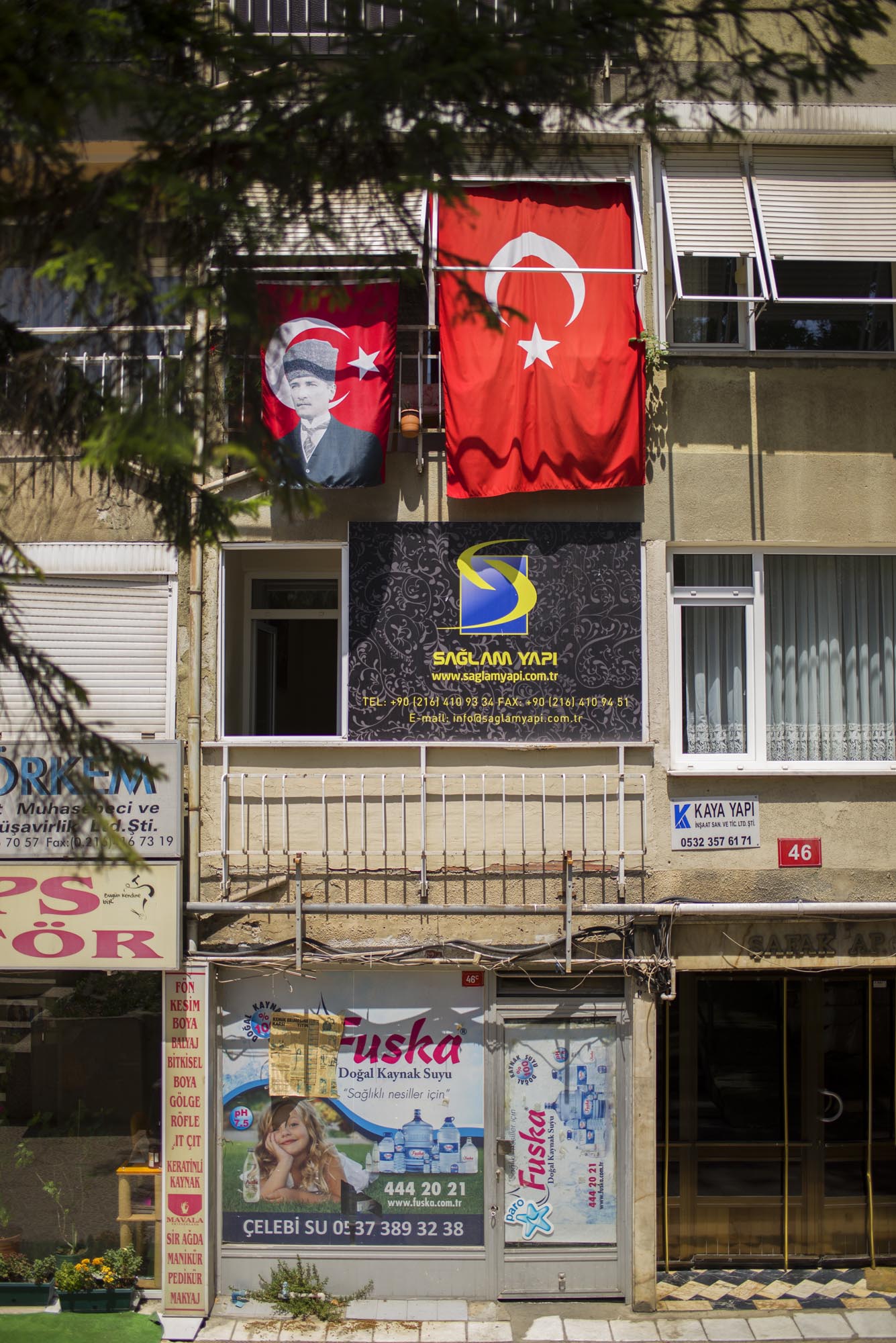
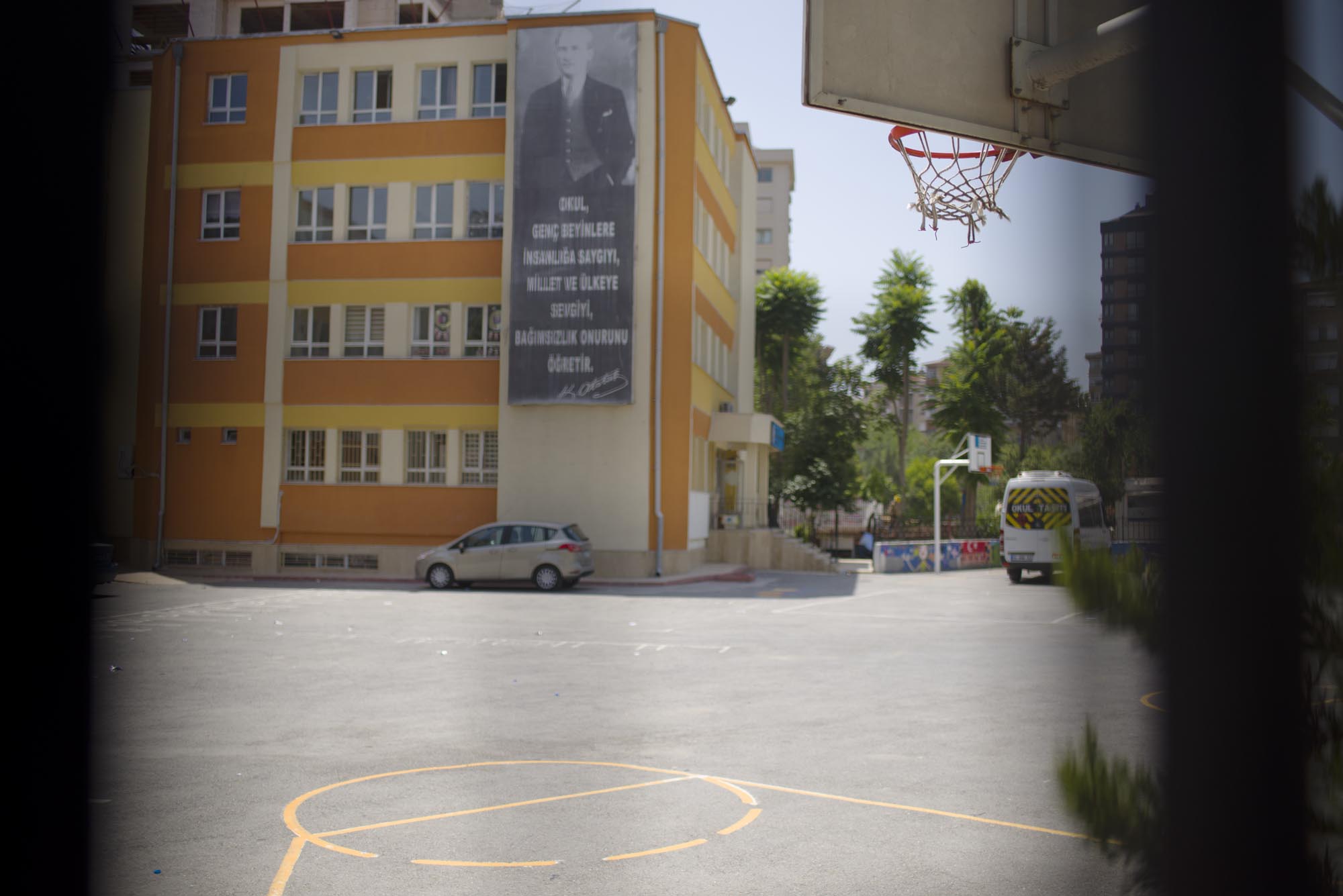
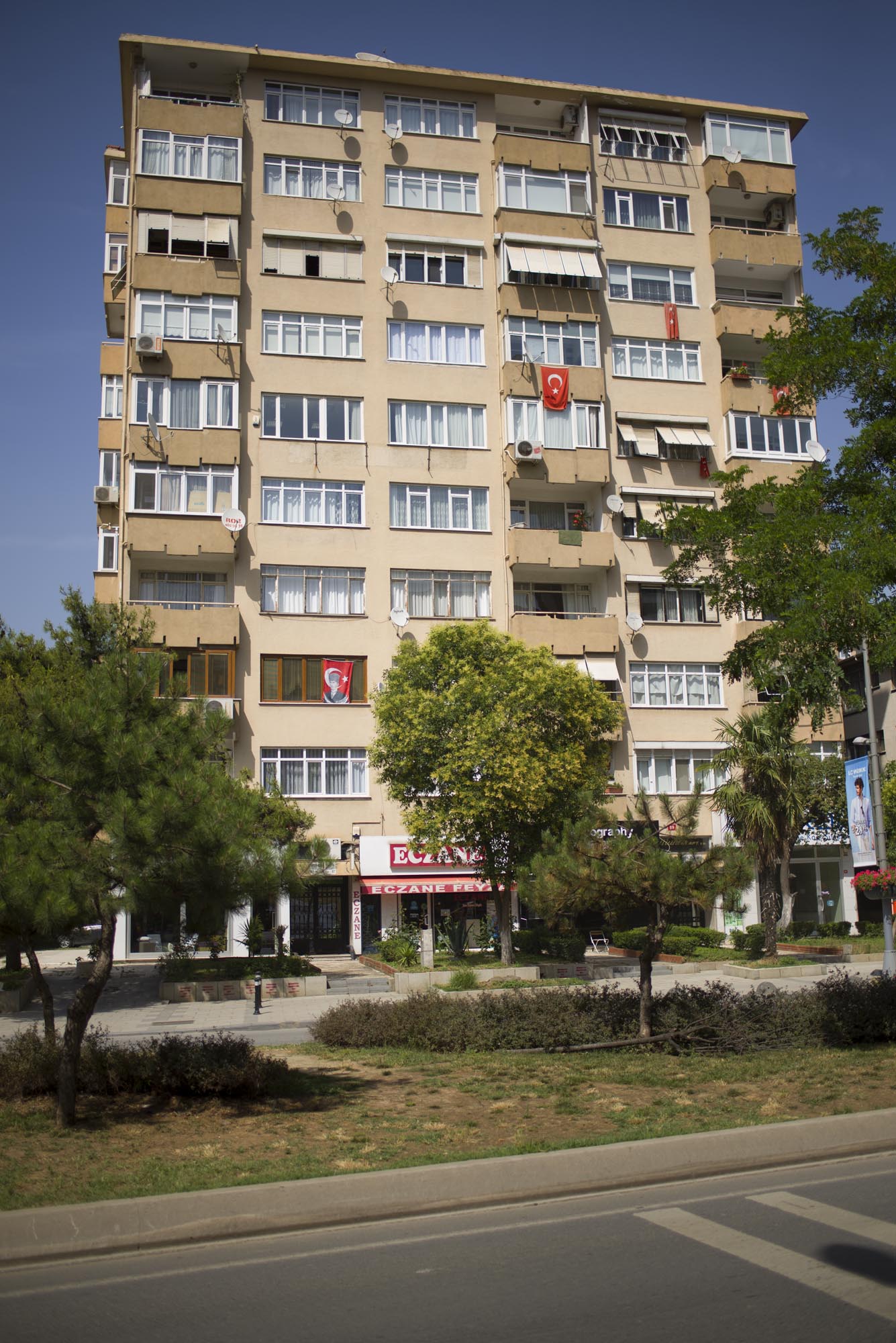
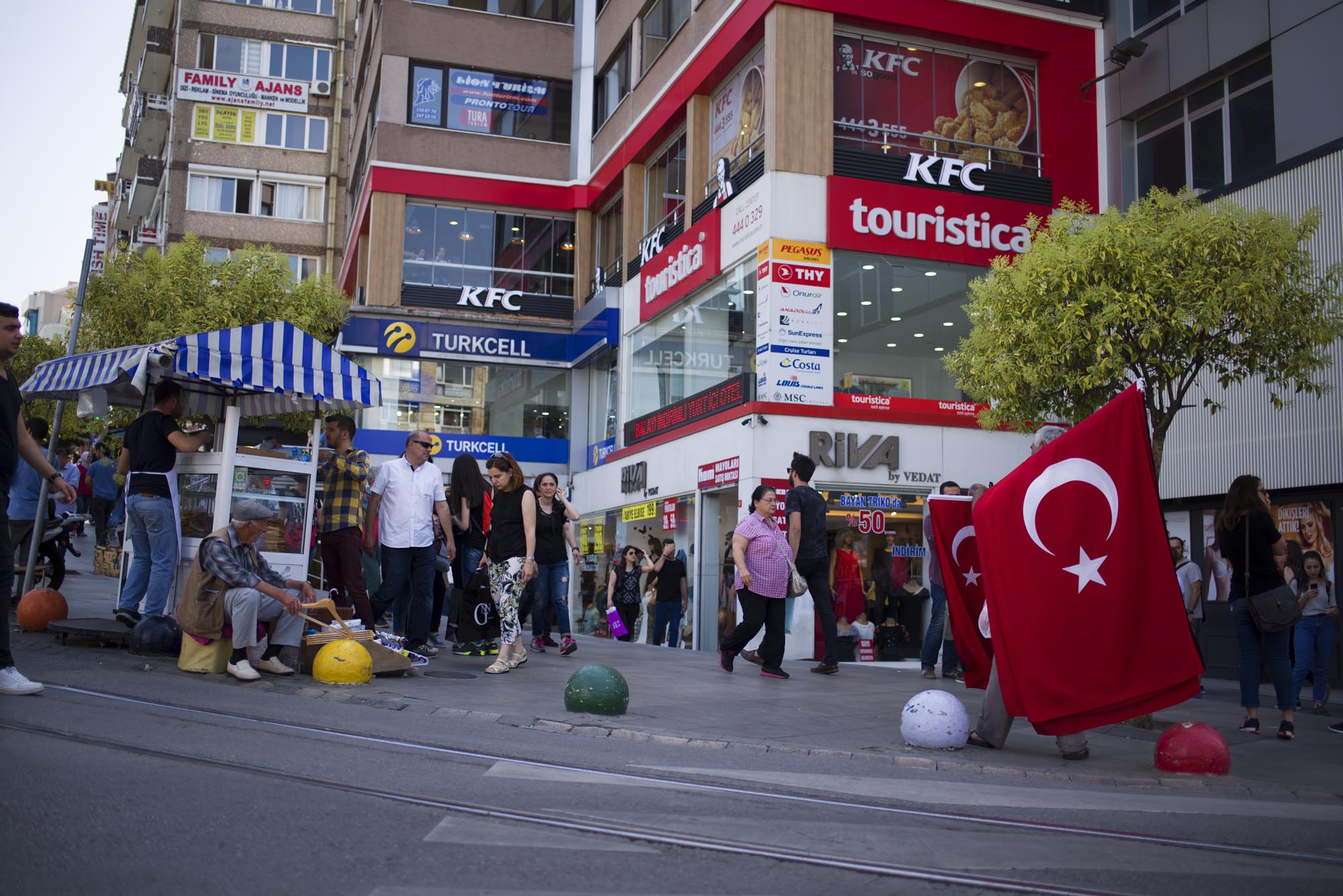
In an attempt to capture culture through photography, I started wondering what exactly displays culture. Can I see culture in a flag, when witnessing rituals and celebrations? Is culture made up by what stereotypes a group of people, or is culture constructed by daily thinking and decision making of individuals? In an attempt to capture some of the most basic constructs of culture, this blog post zooms in on Istanbul’s citizens most banal activities. No grand displays, no ceremonies, no nothing. Daily seemingly insignificant moments. Where daily banality excludes context, preconception is gone and a clear view can be attained.
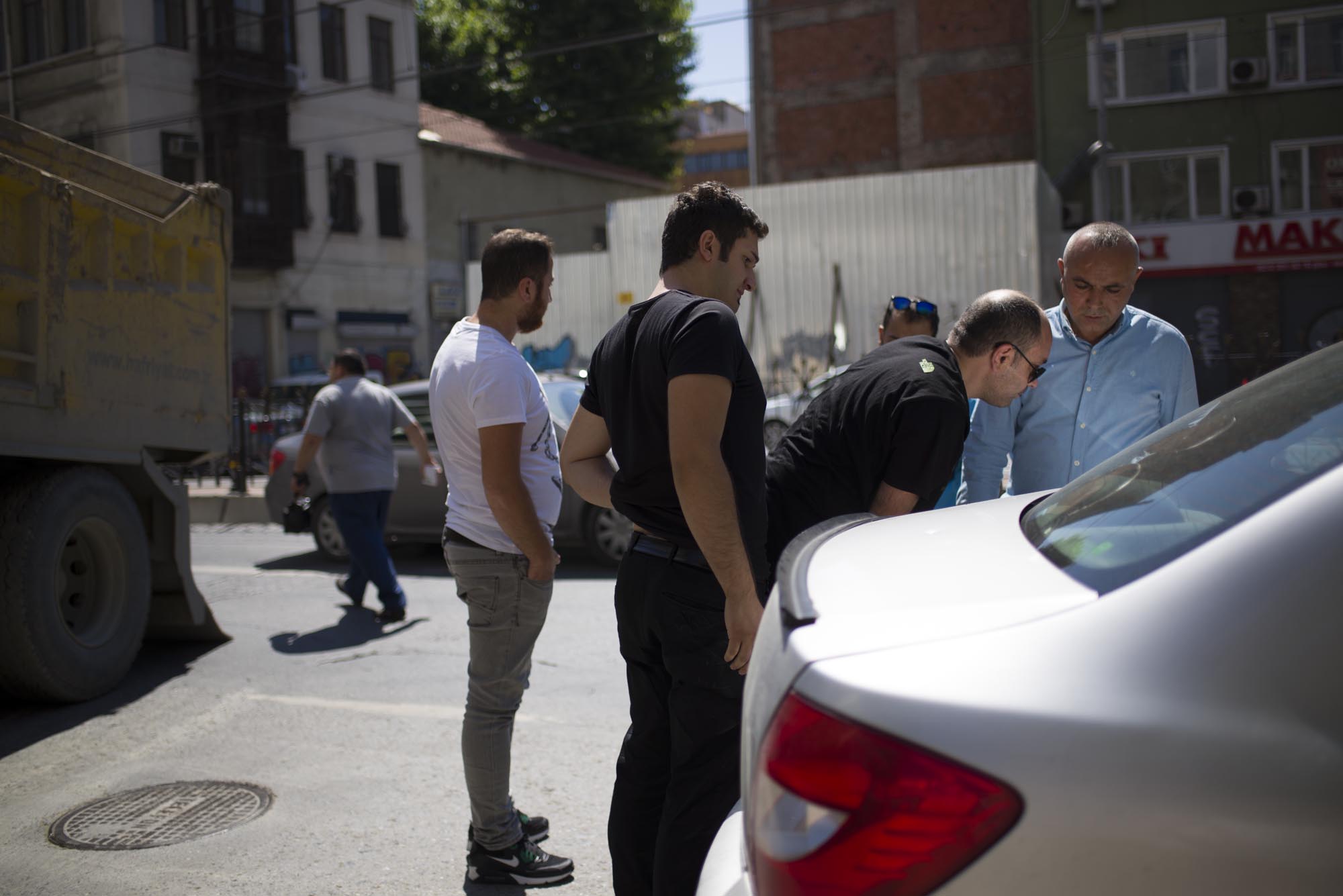
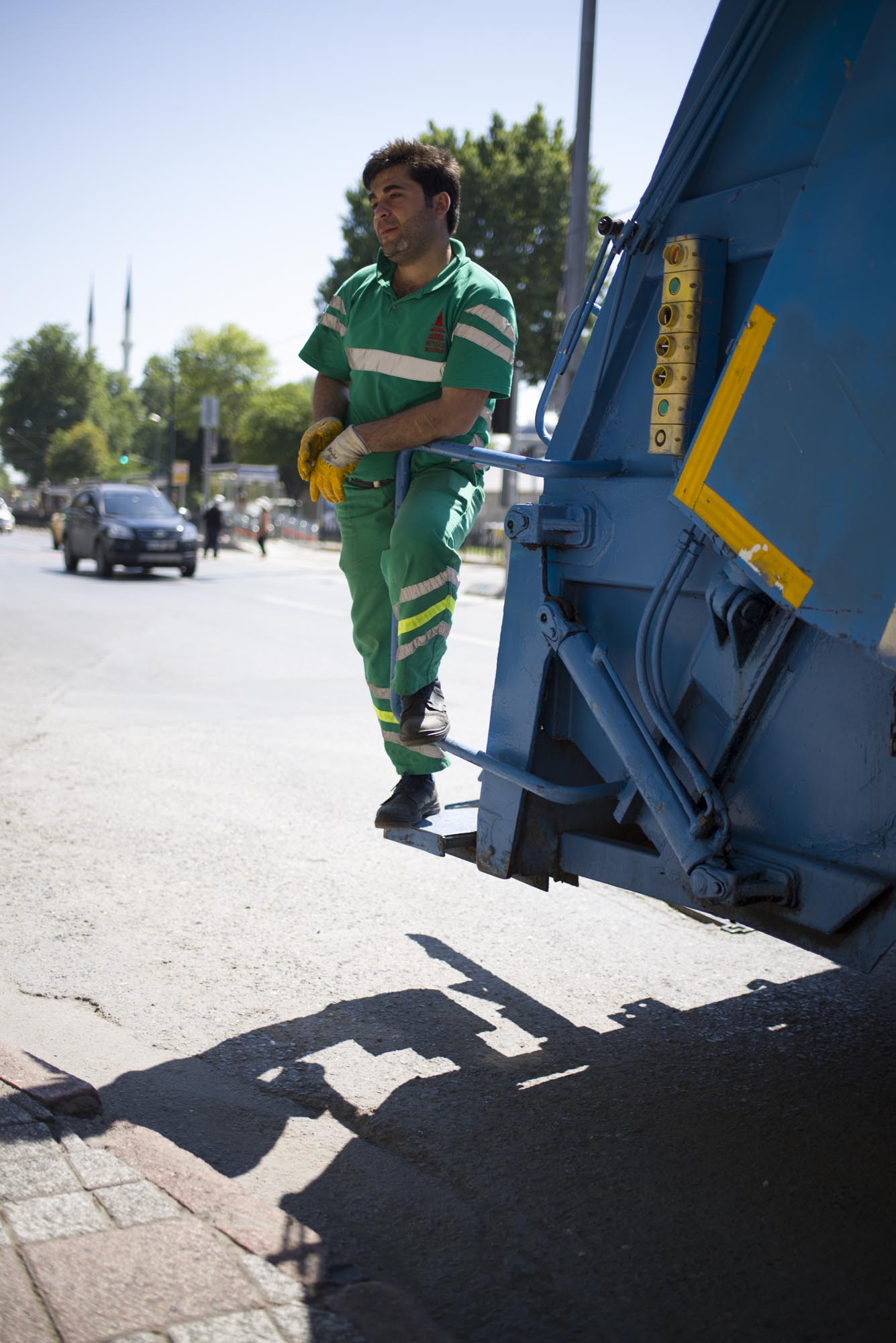
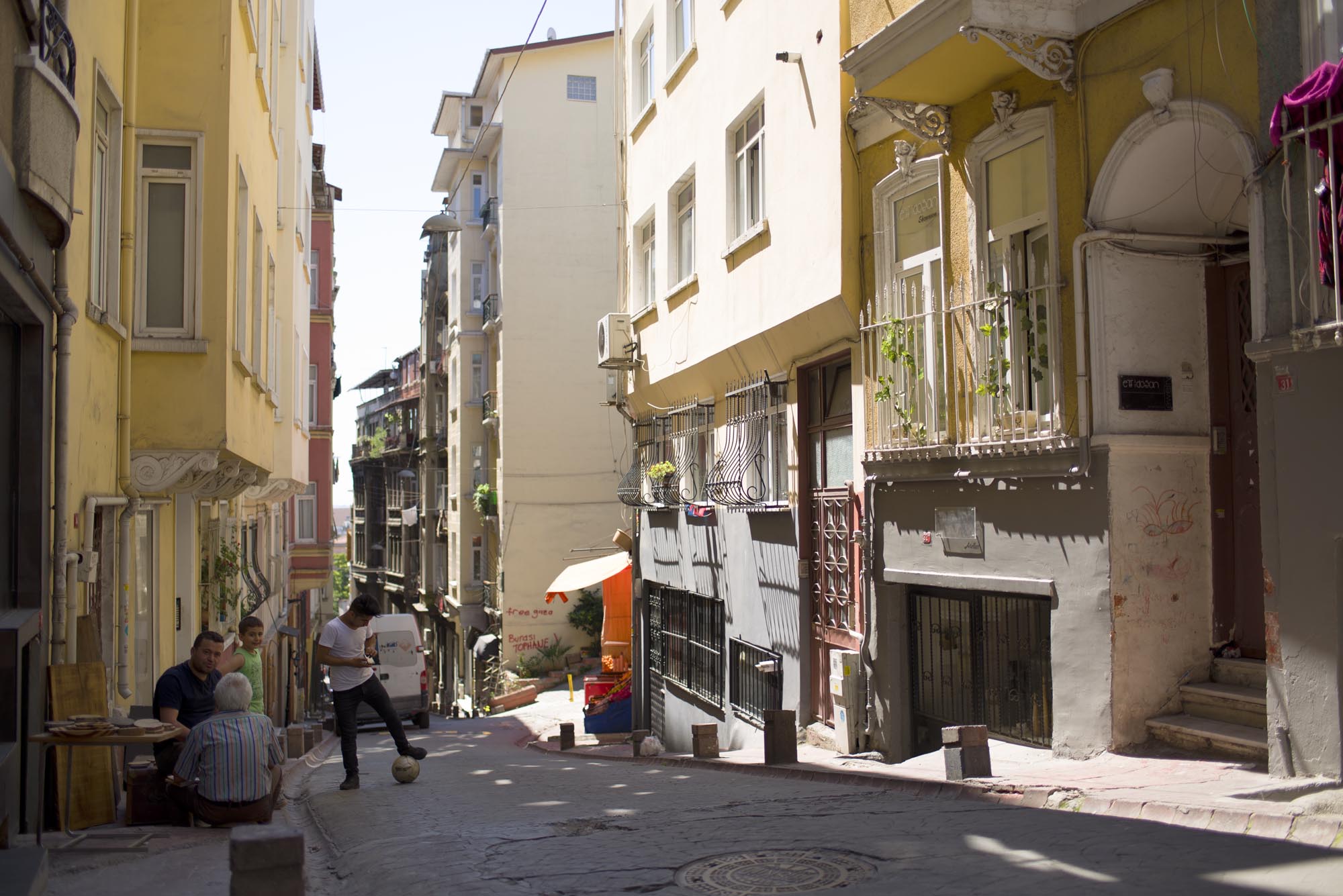
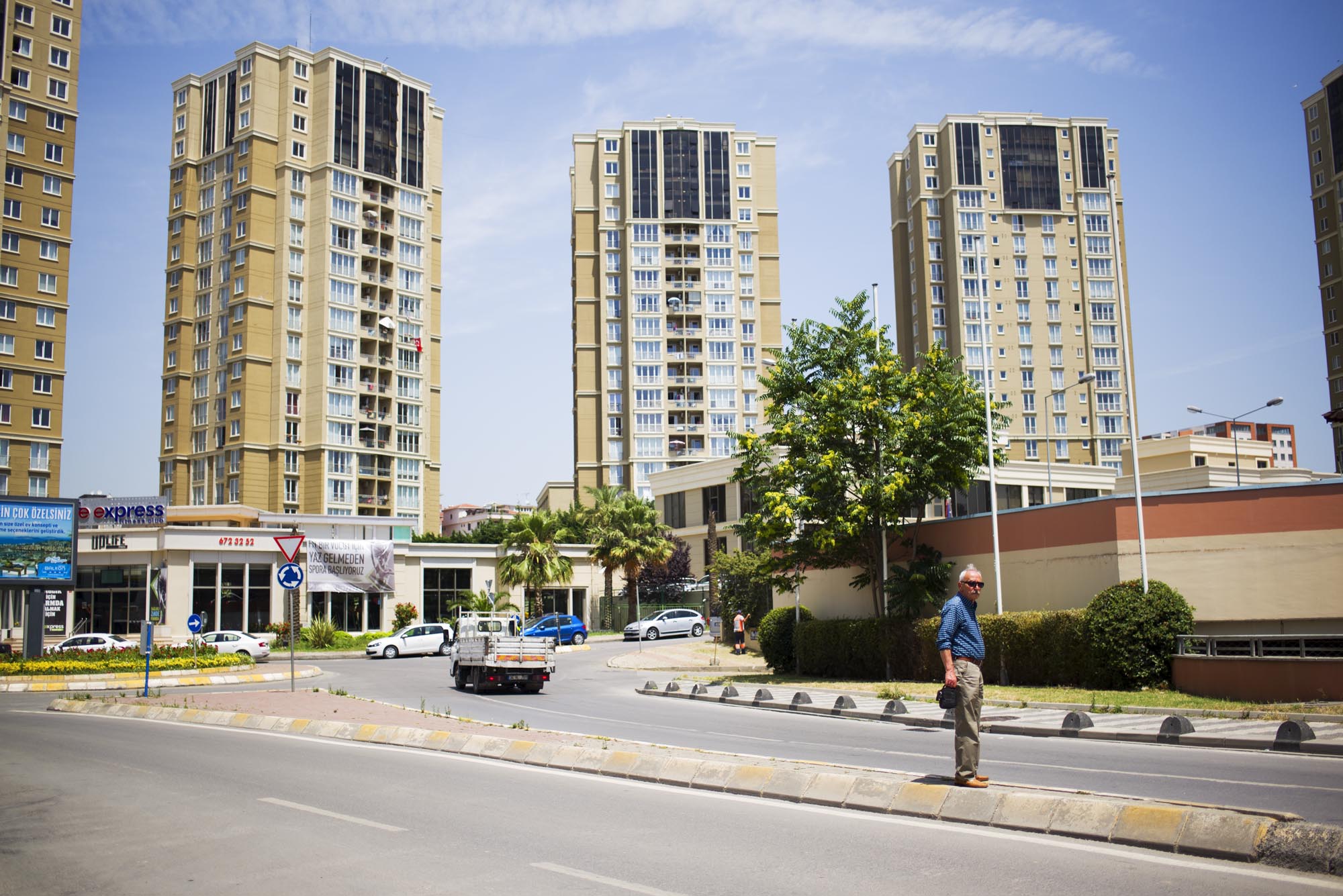


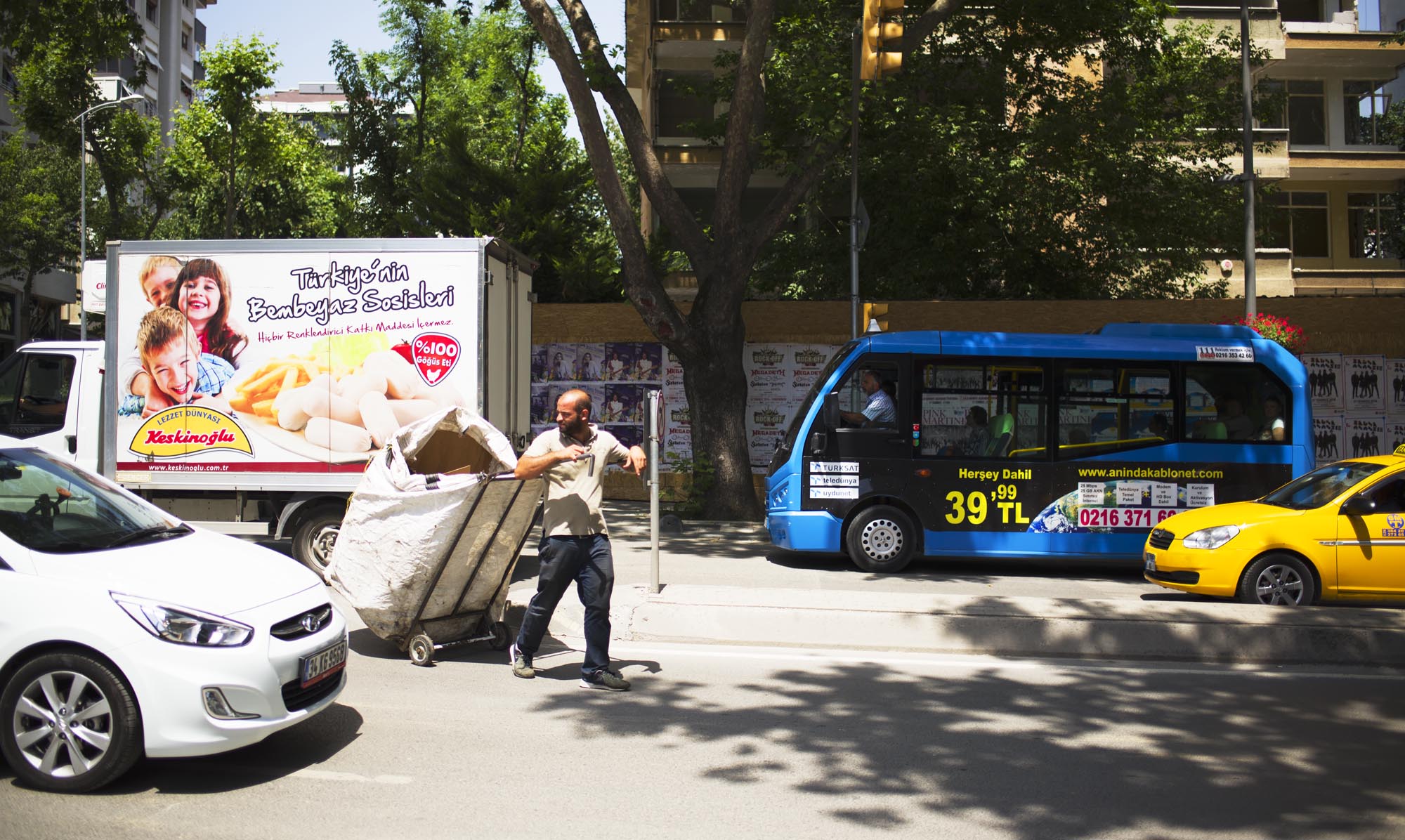
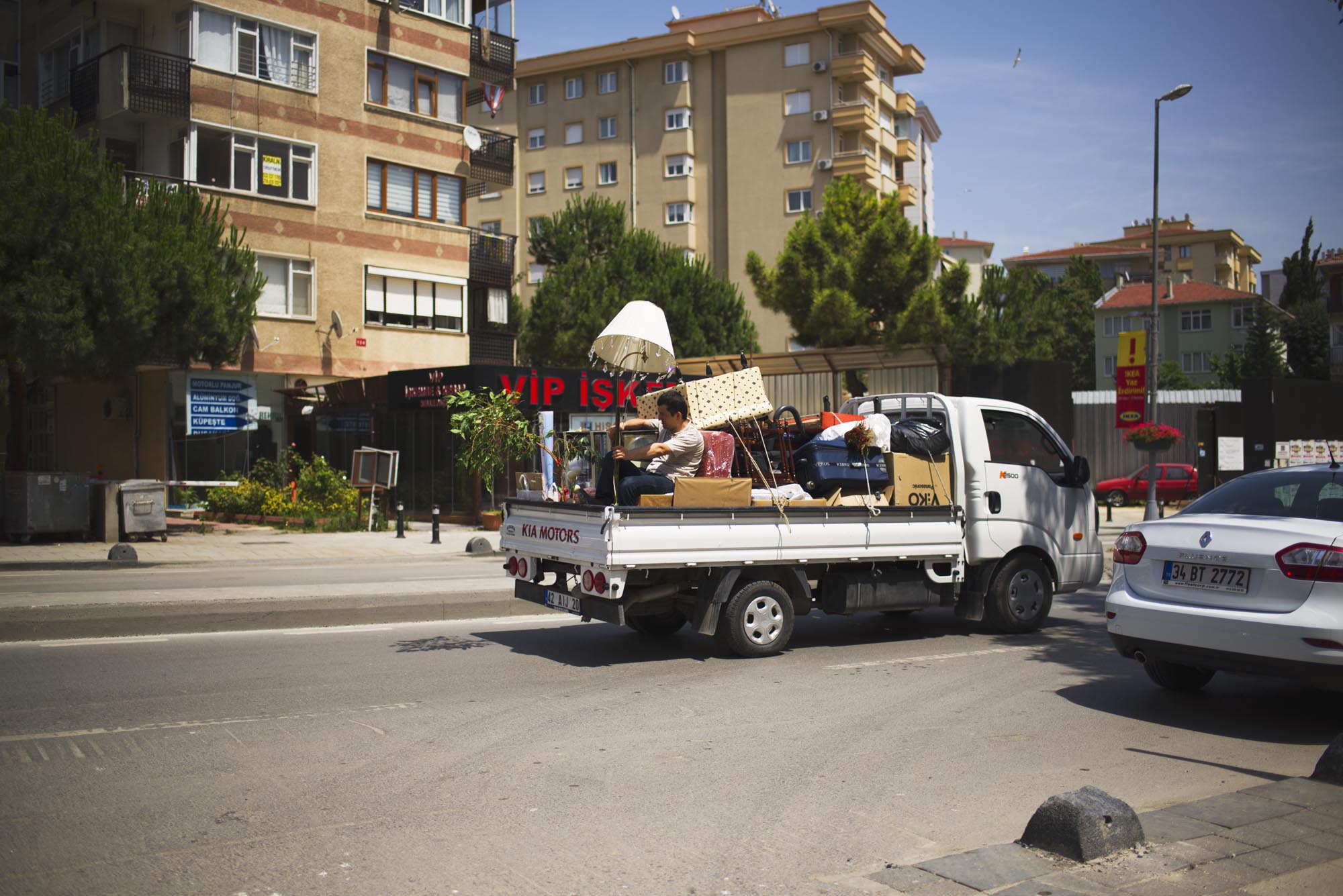
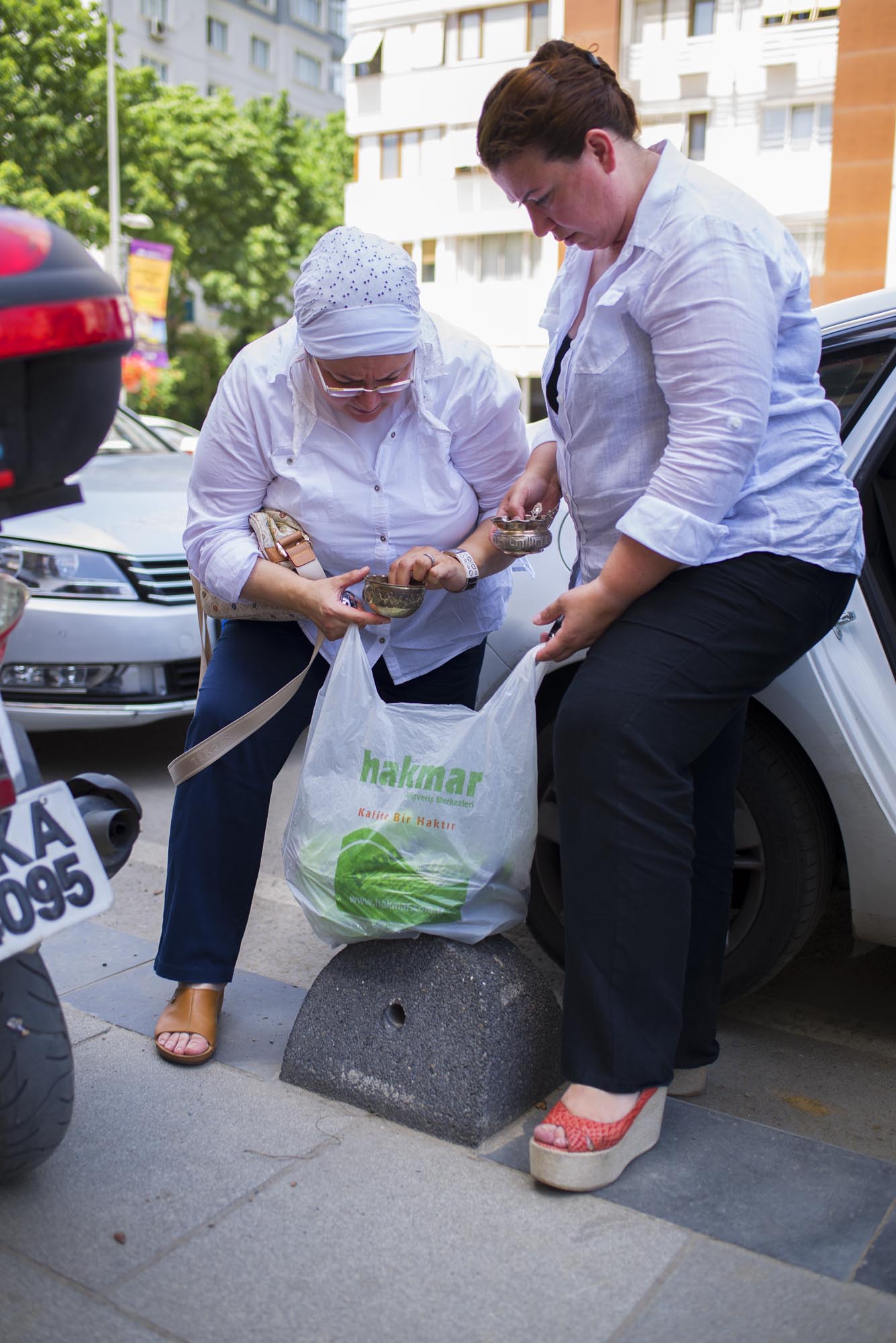

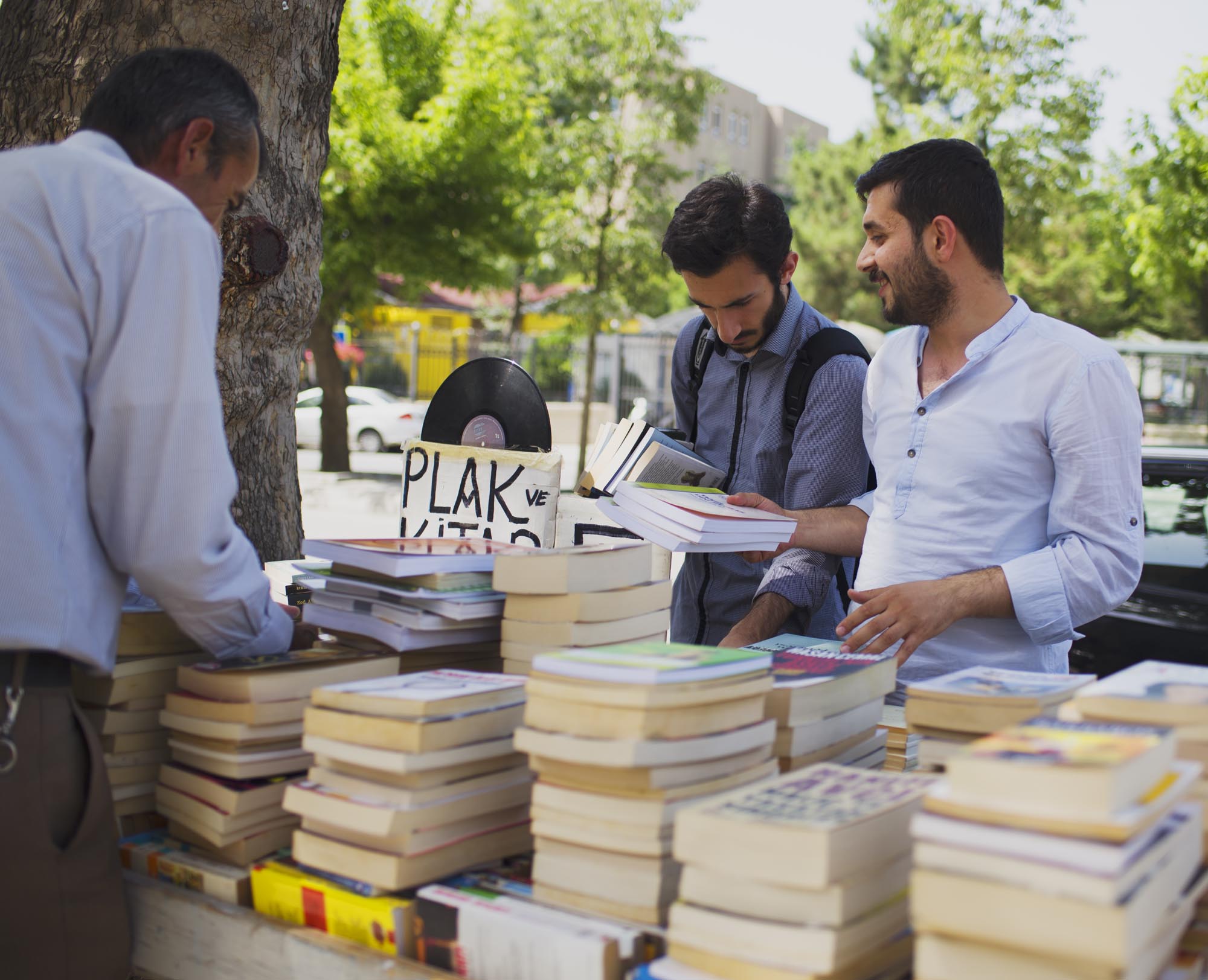
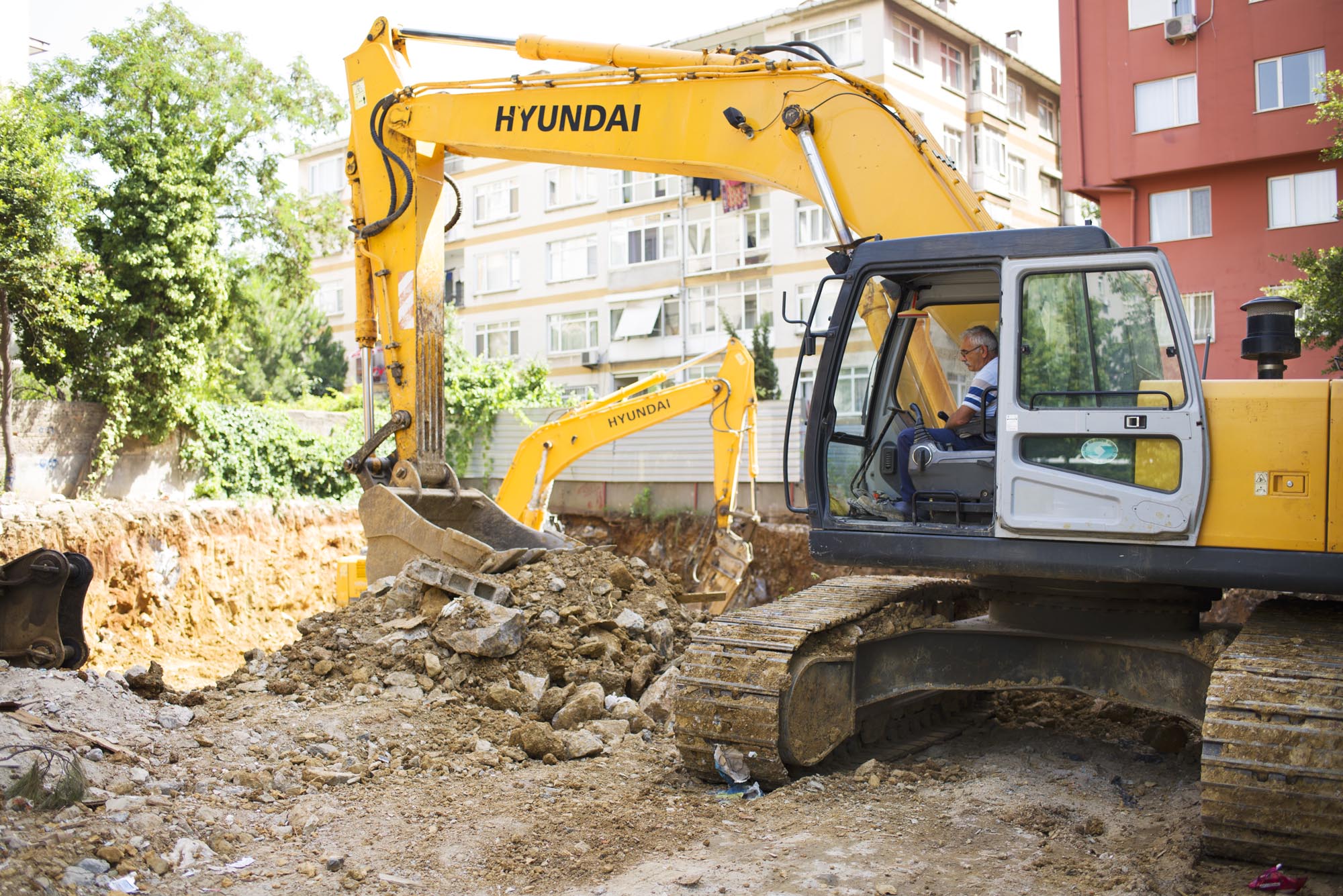

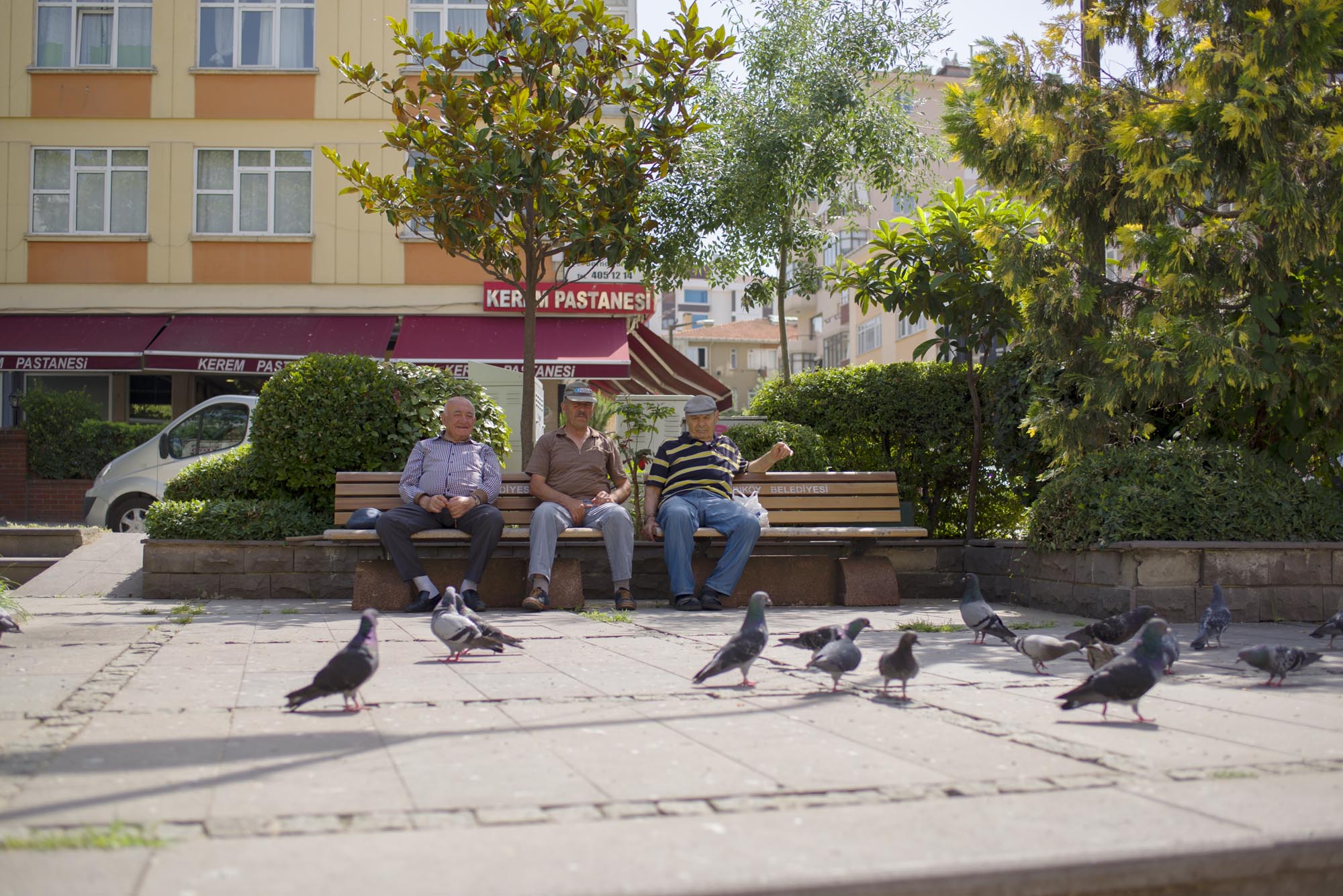




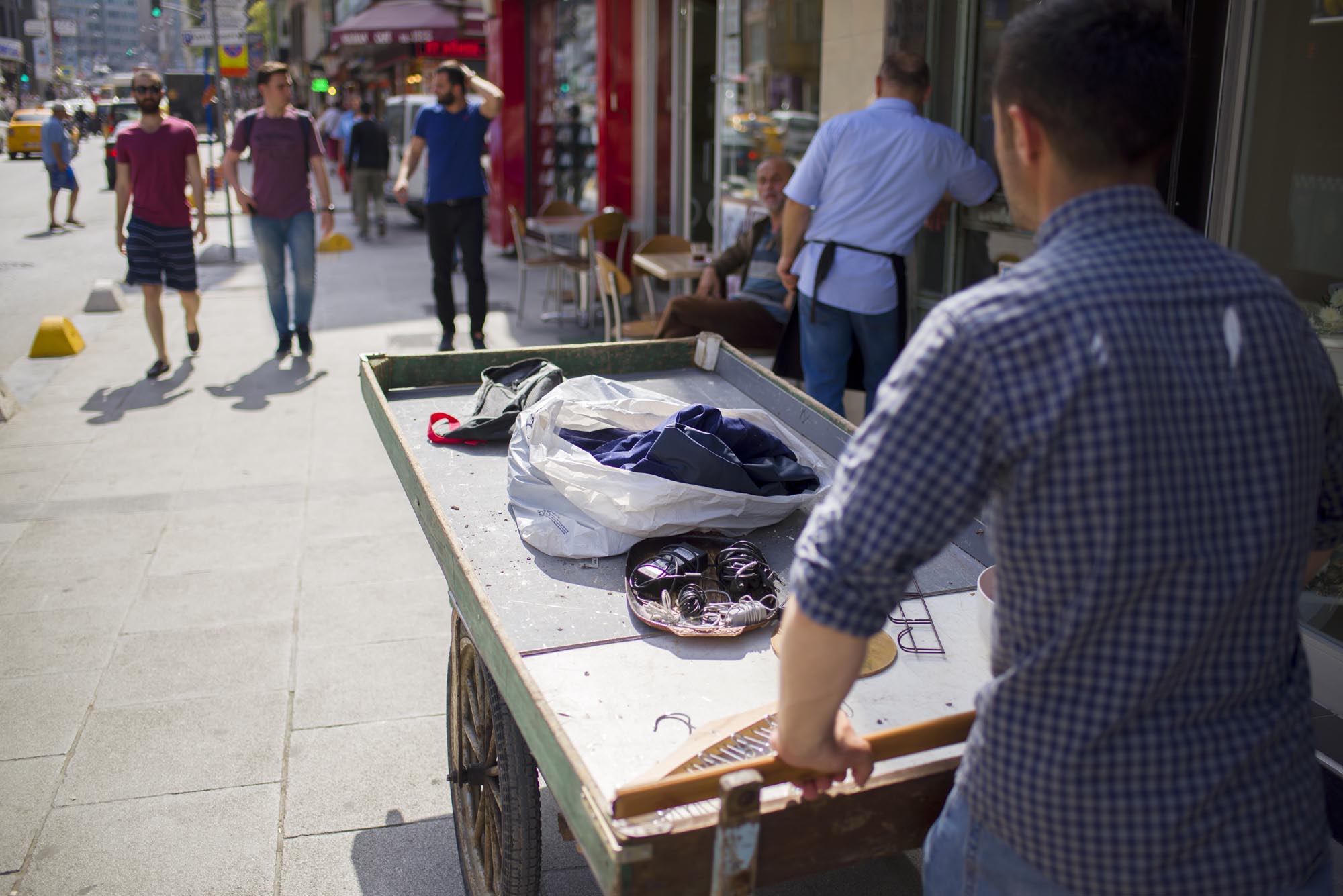


Istanbul outskirts, where one is chased by the stars
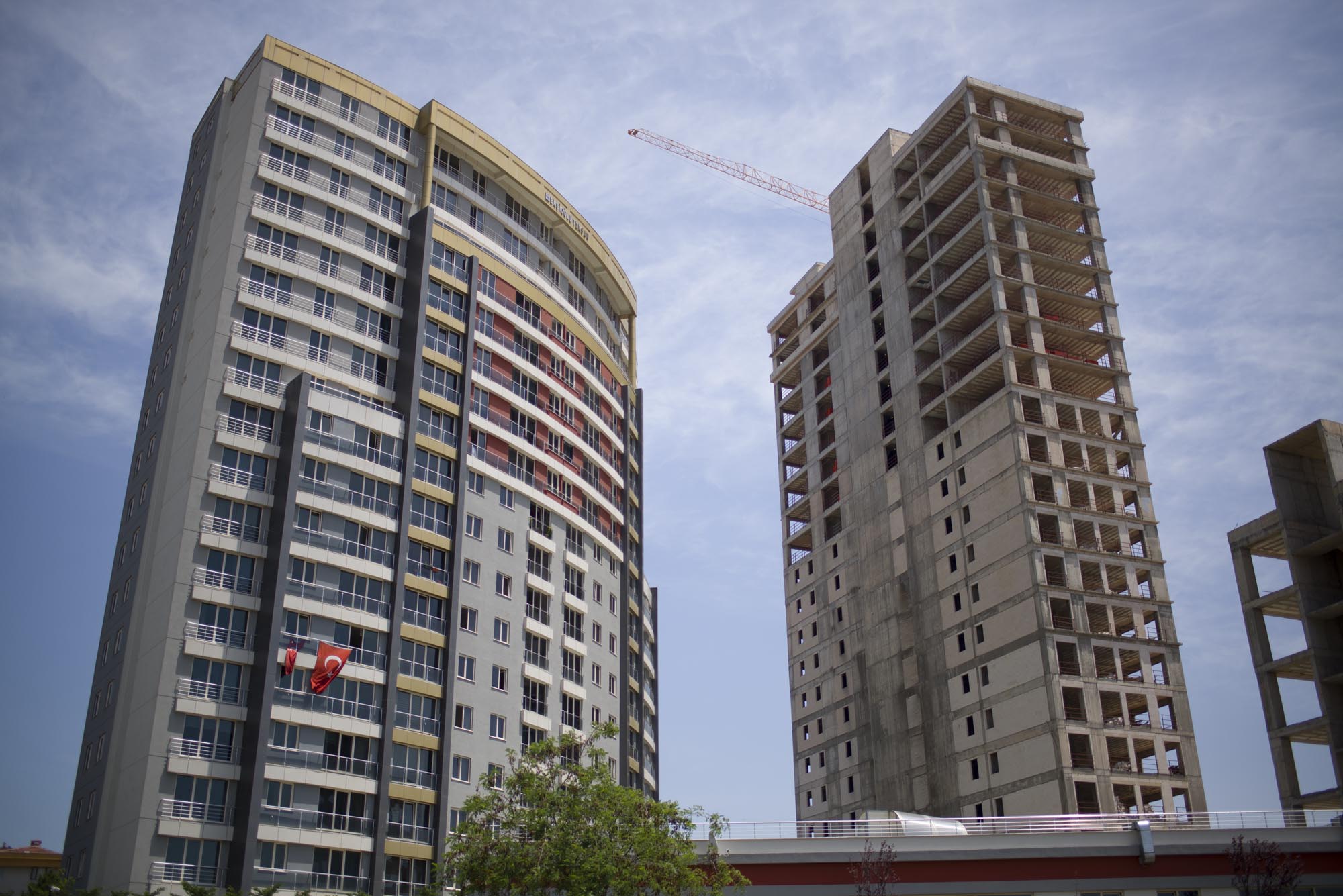

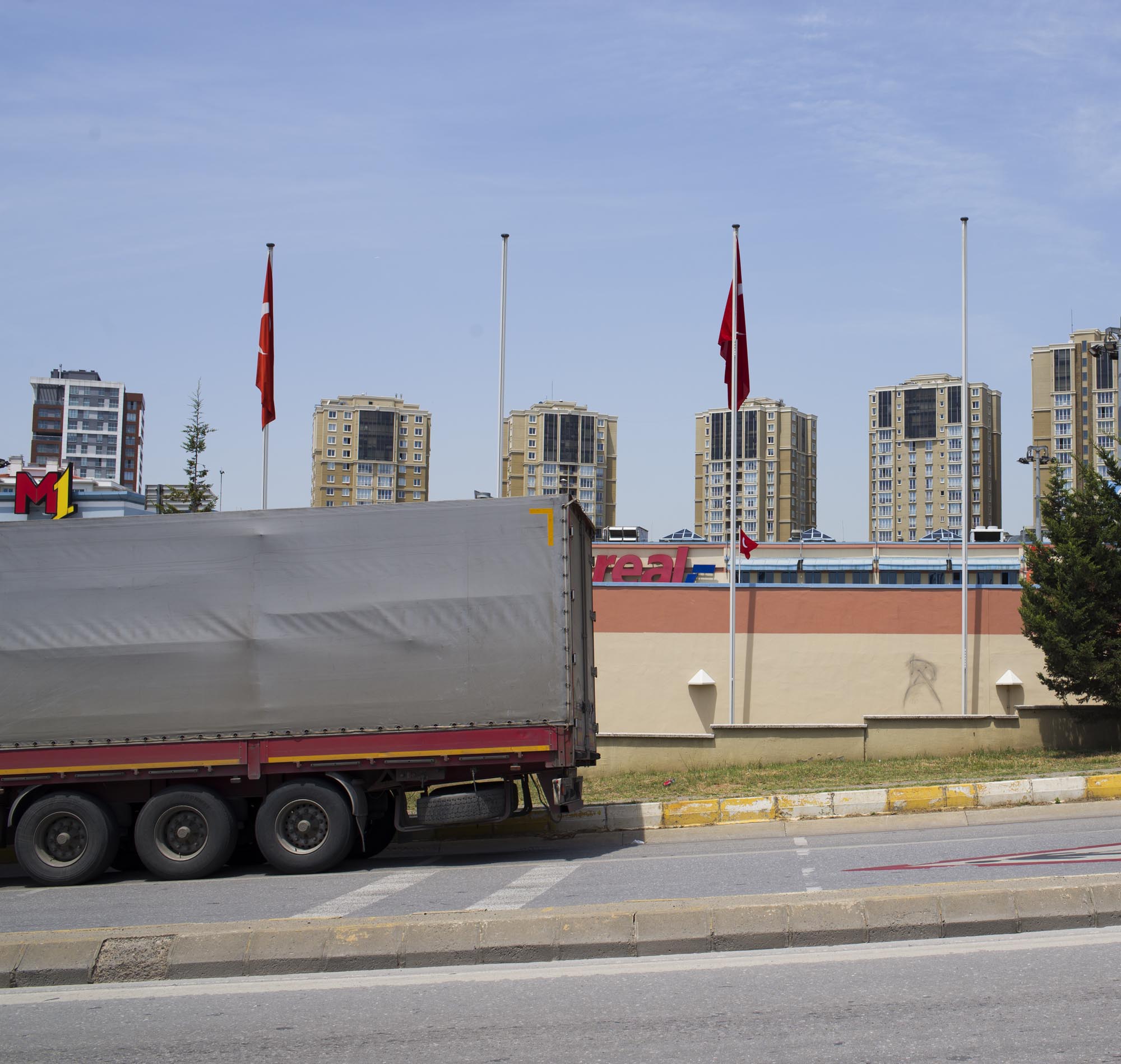
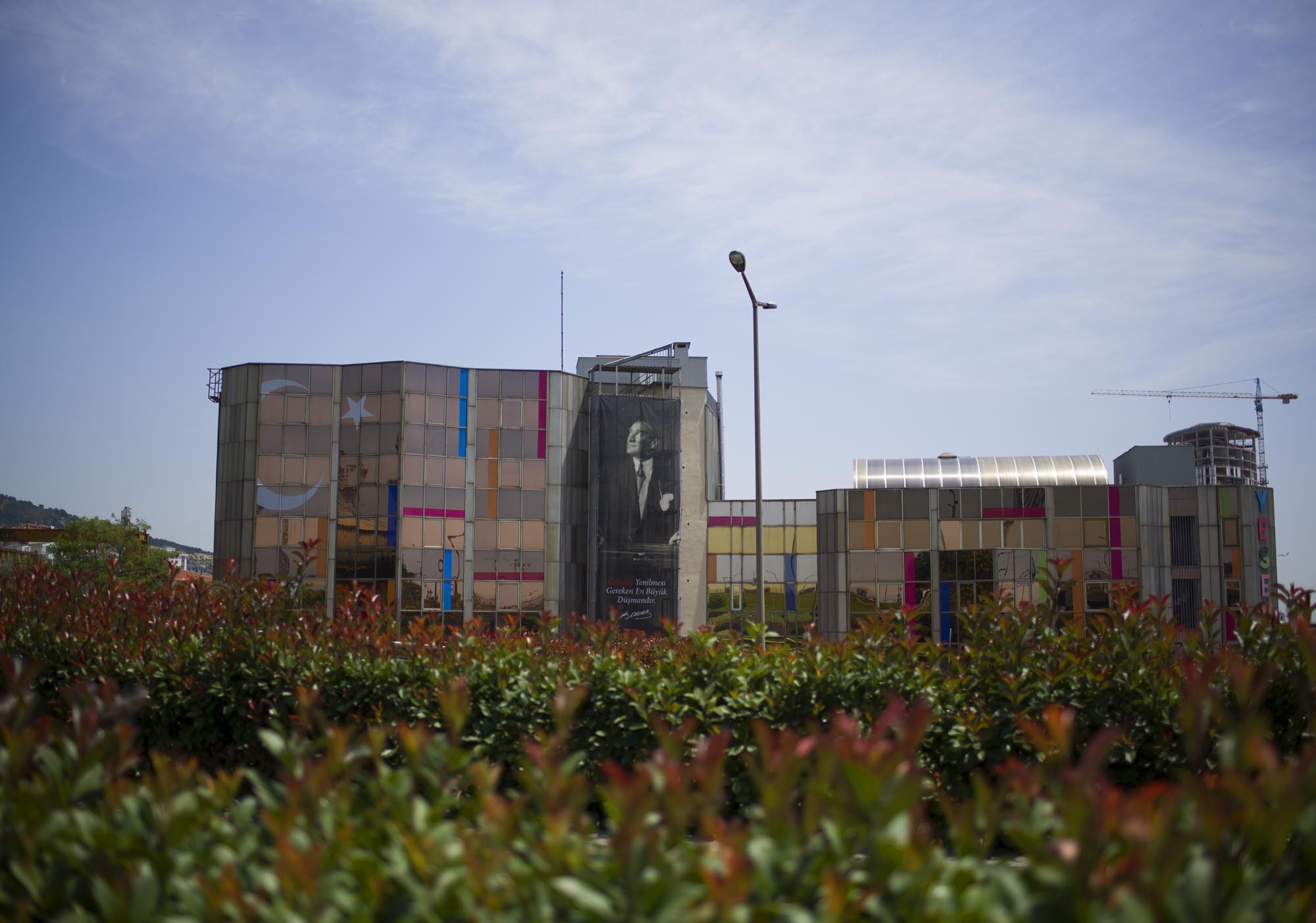

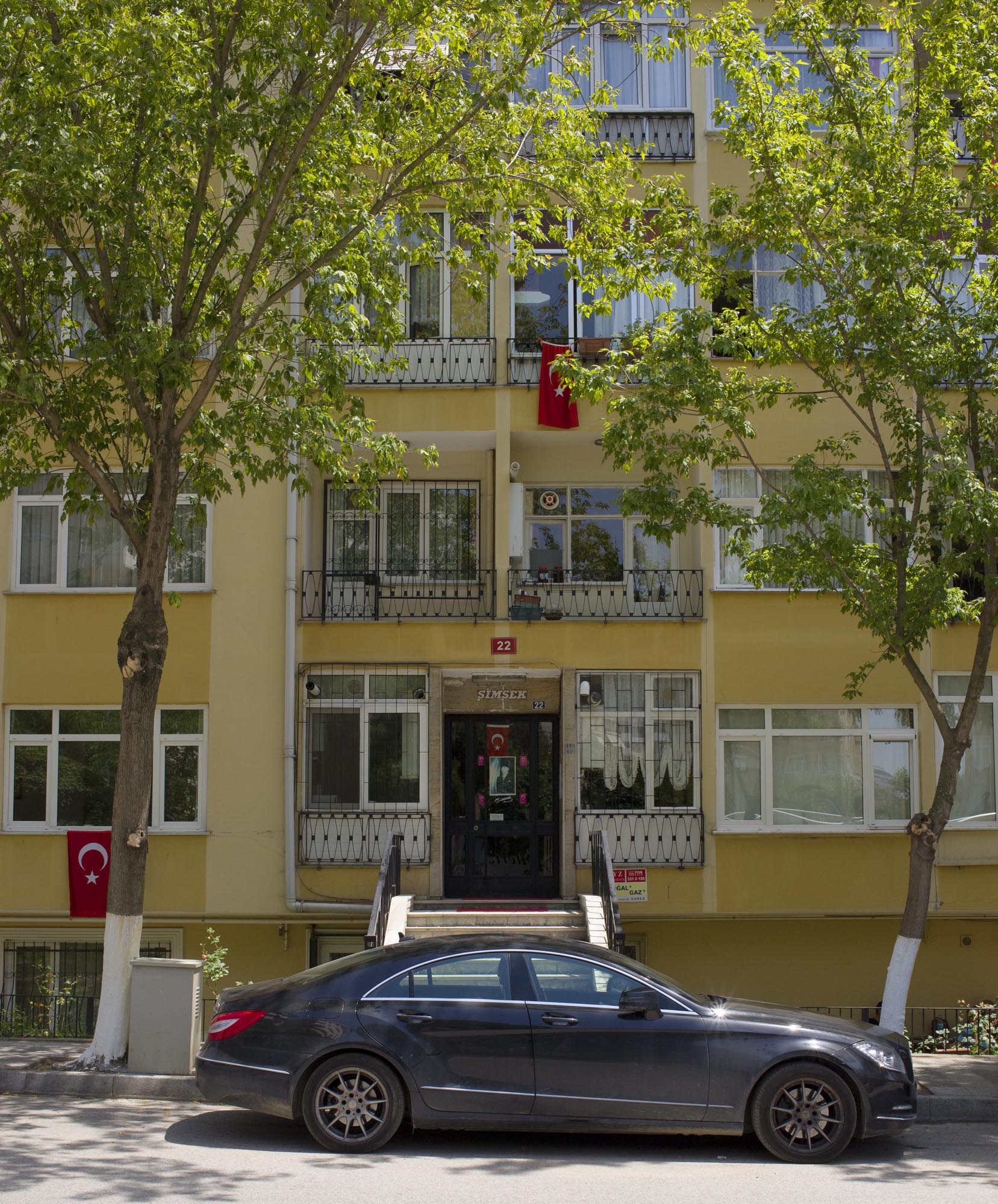



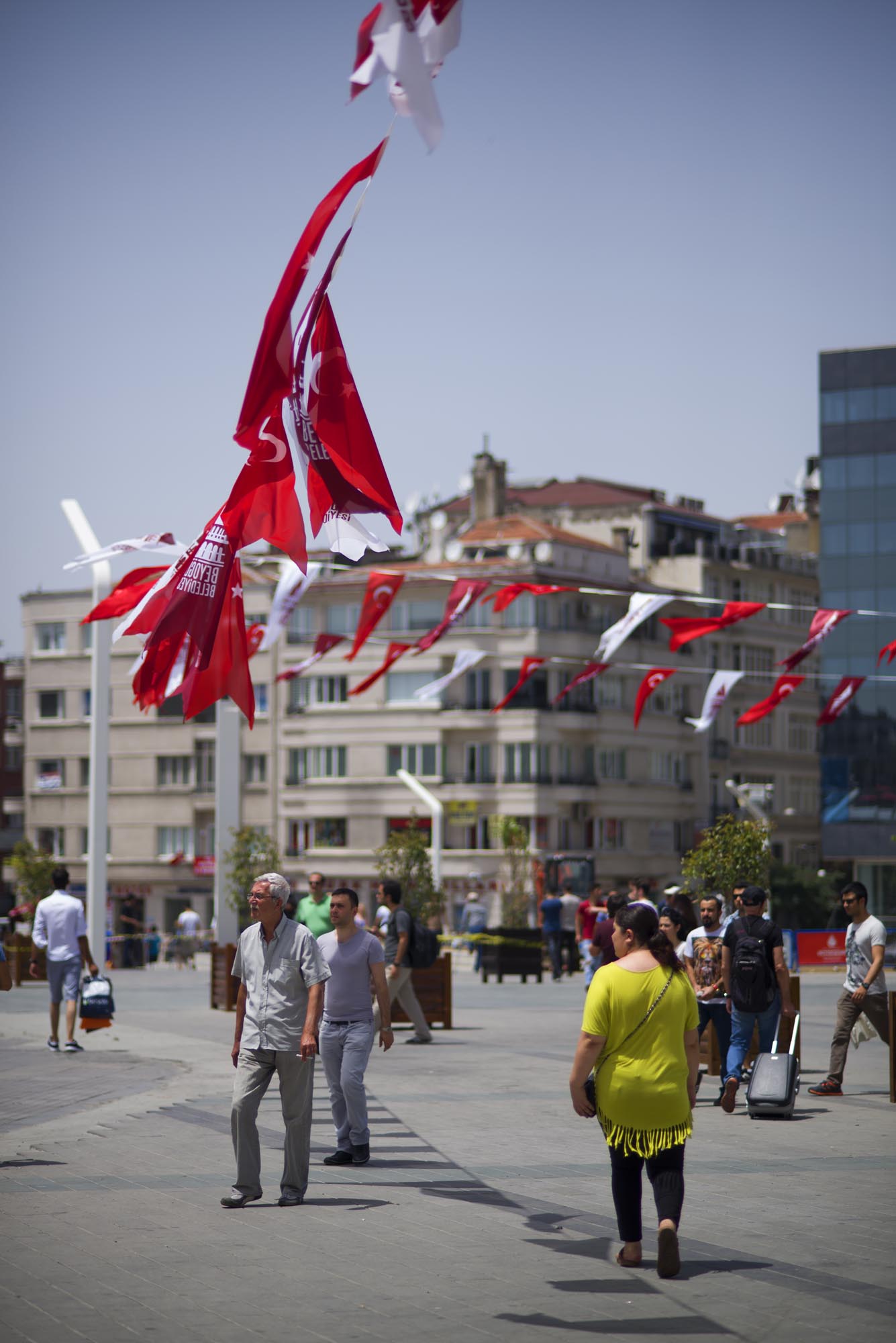
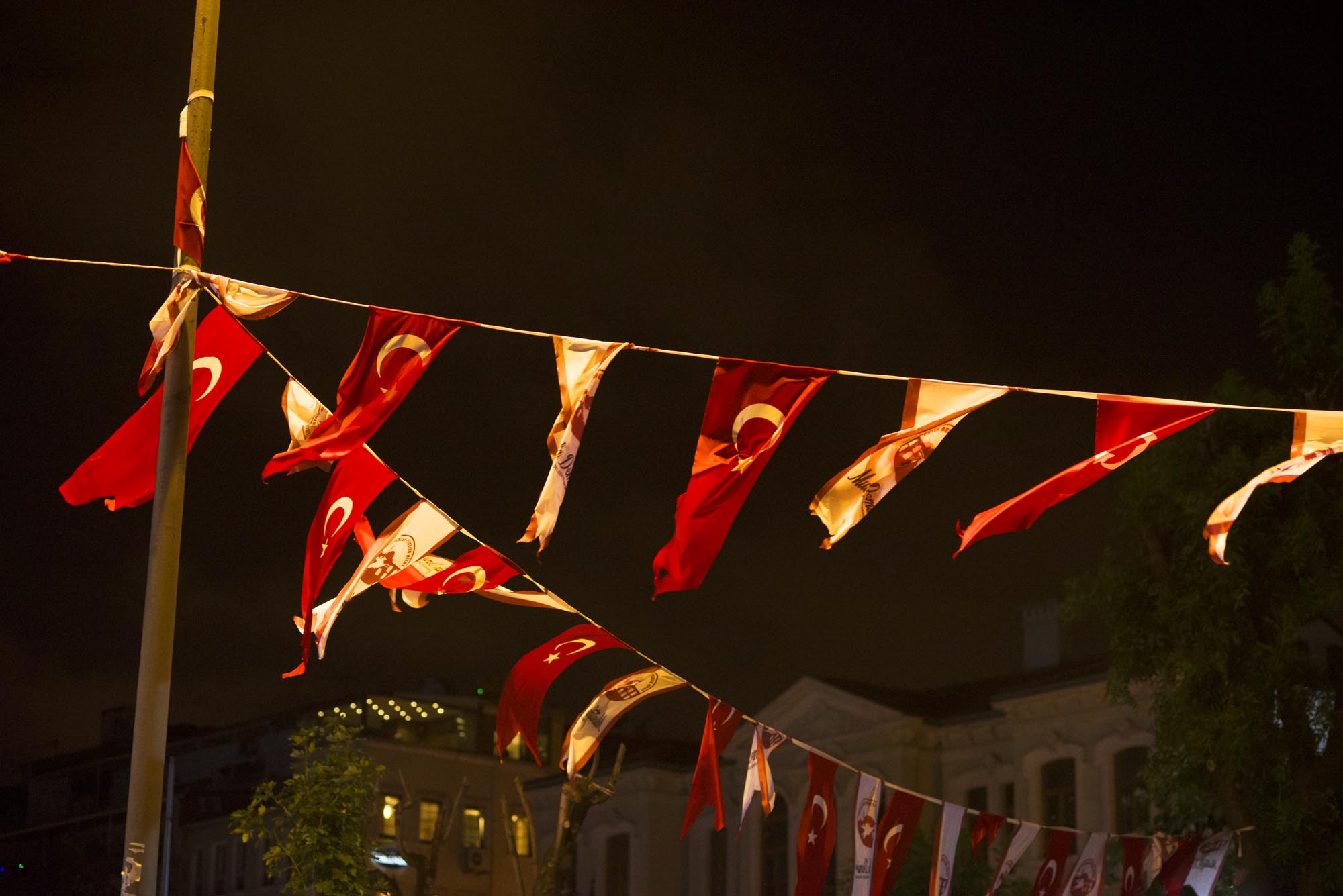
Cats, kittens, pussies – everywhere. Istanbul



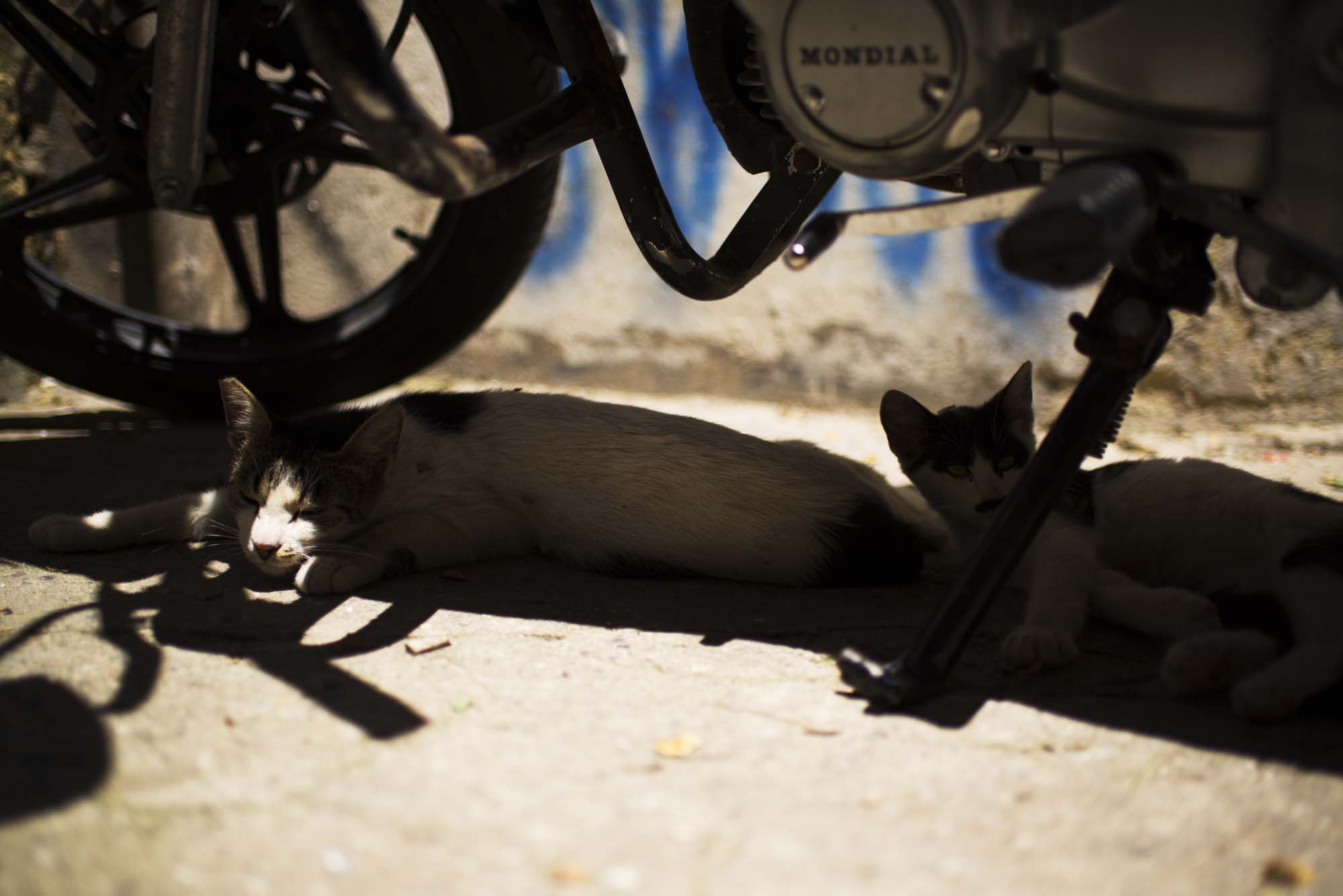
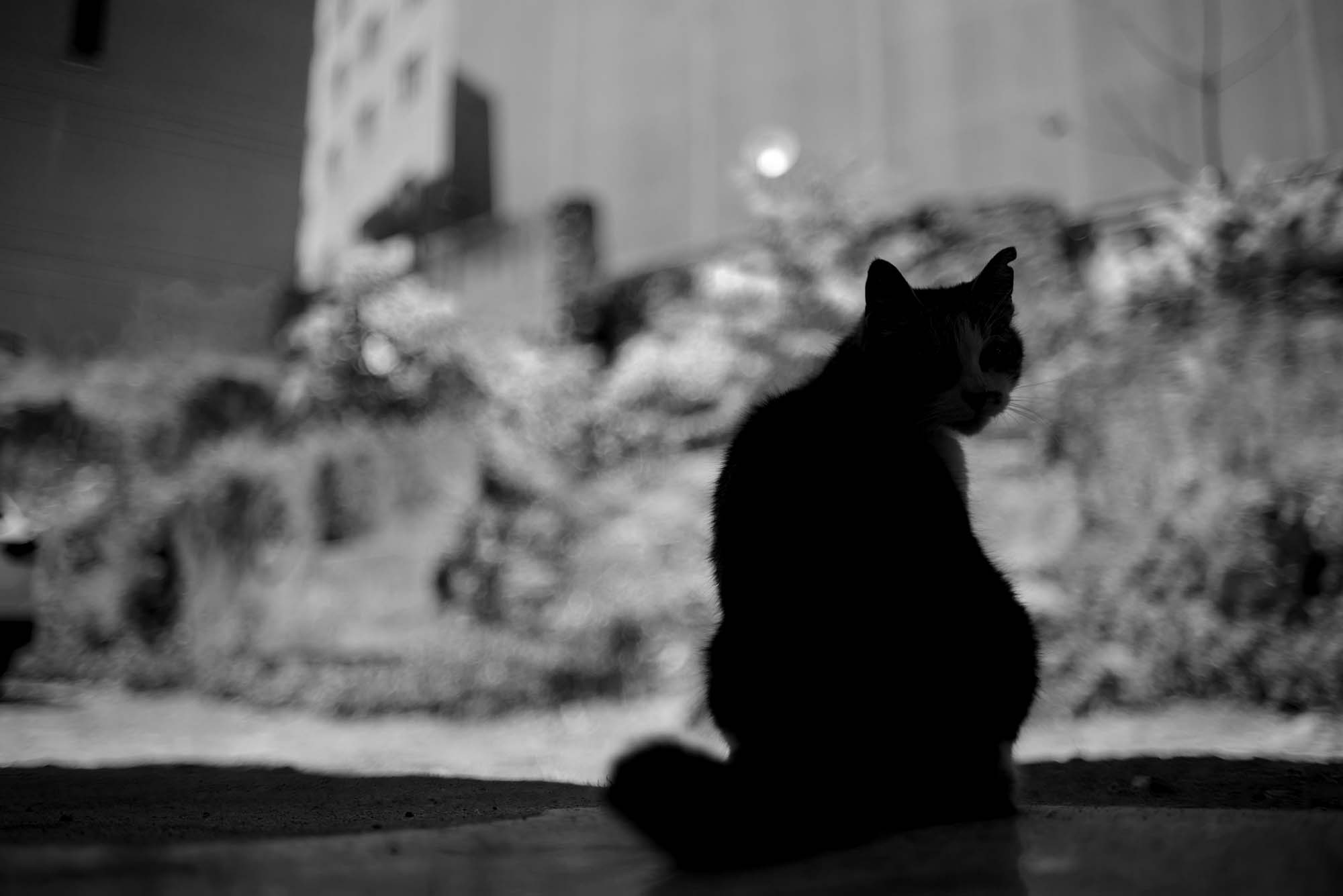

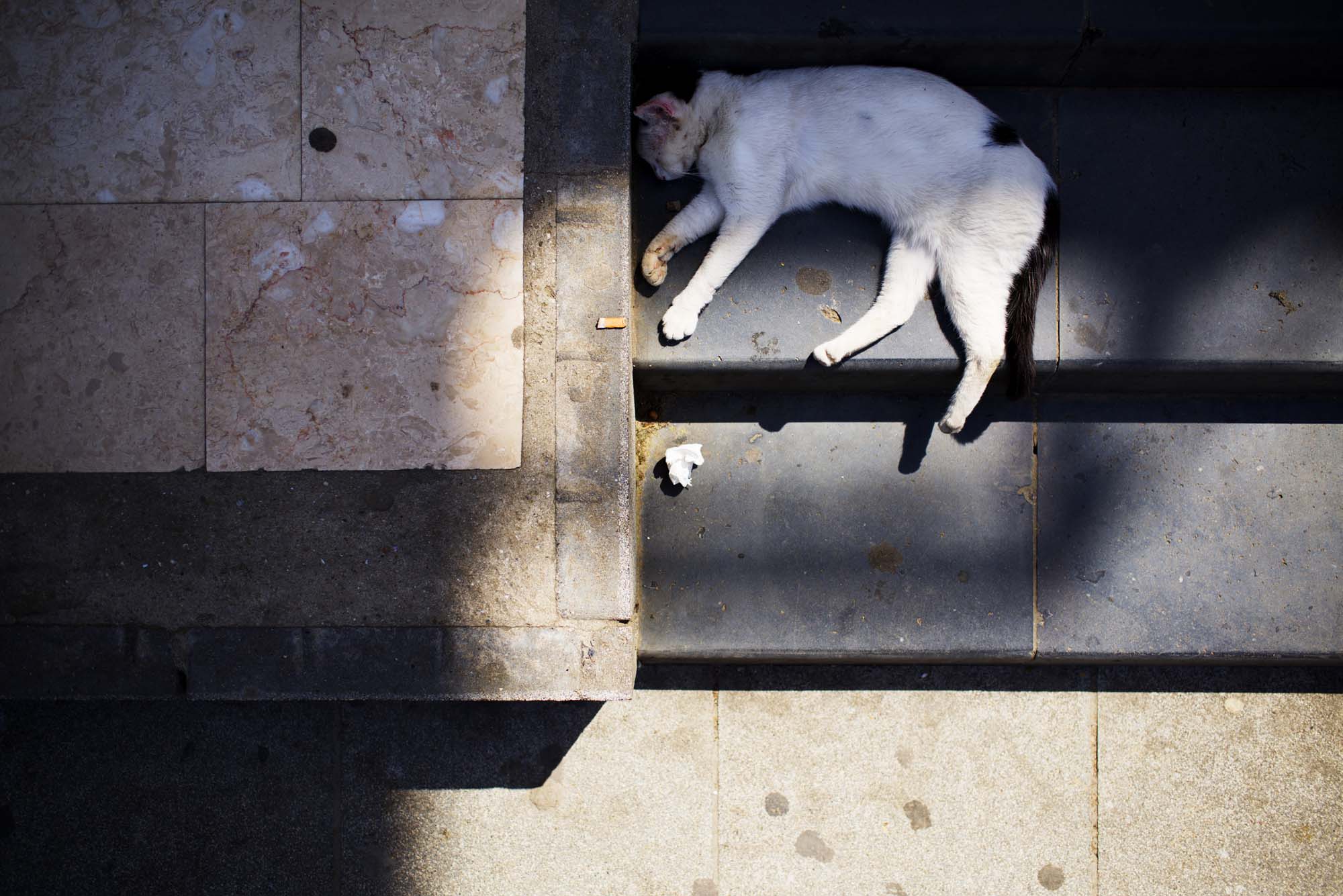
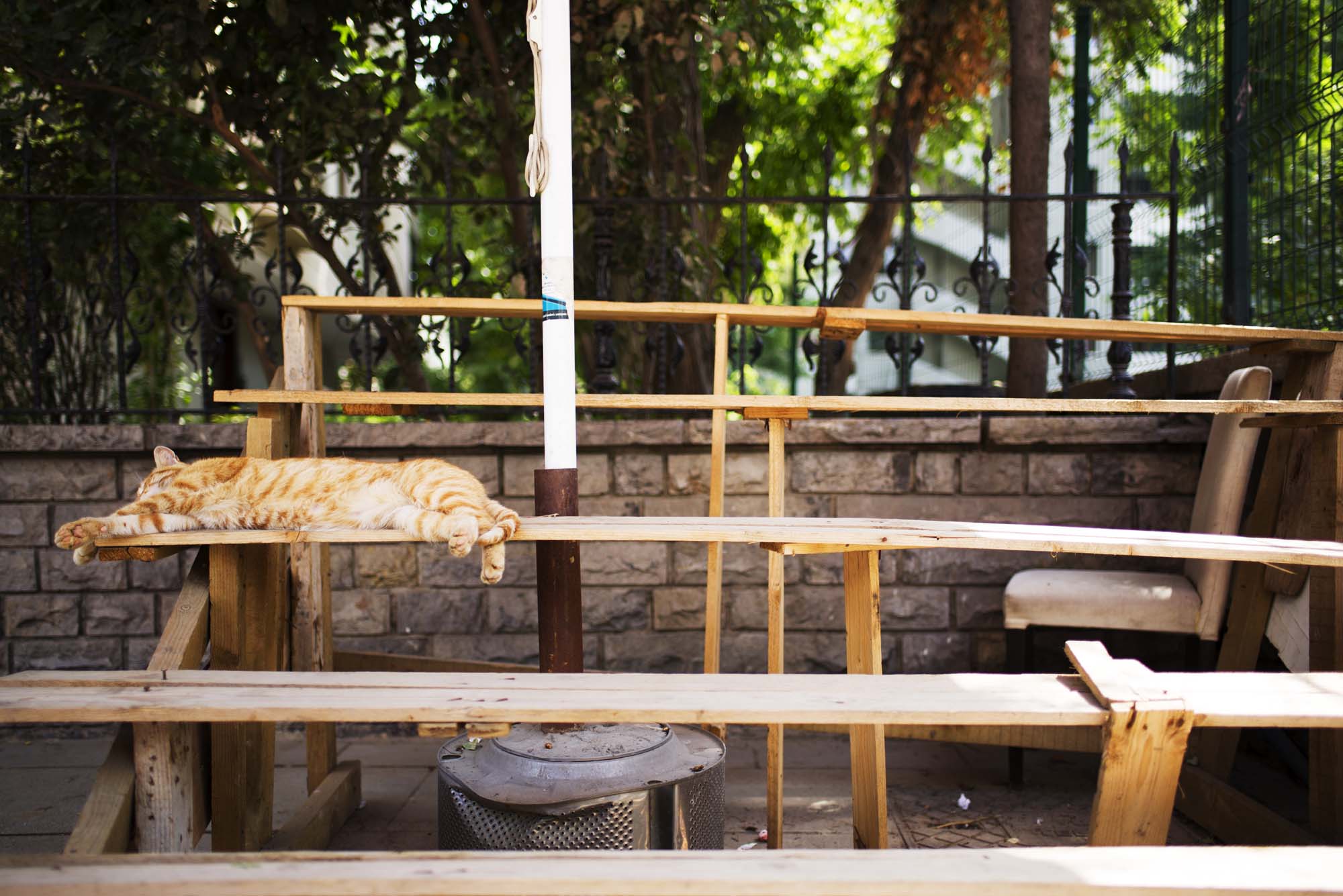
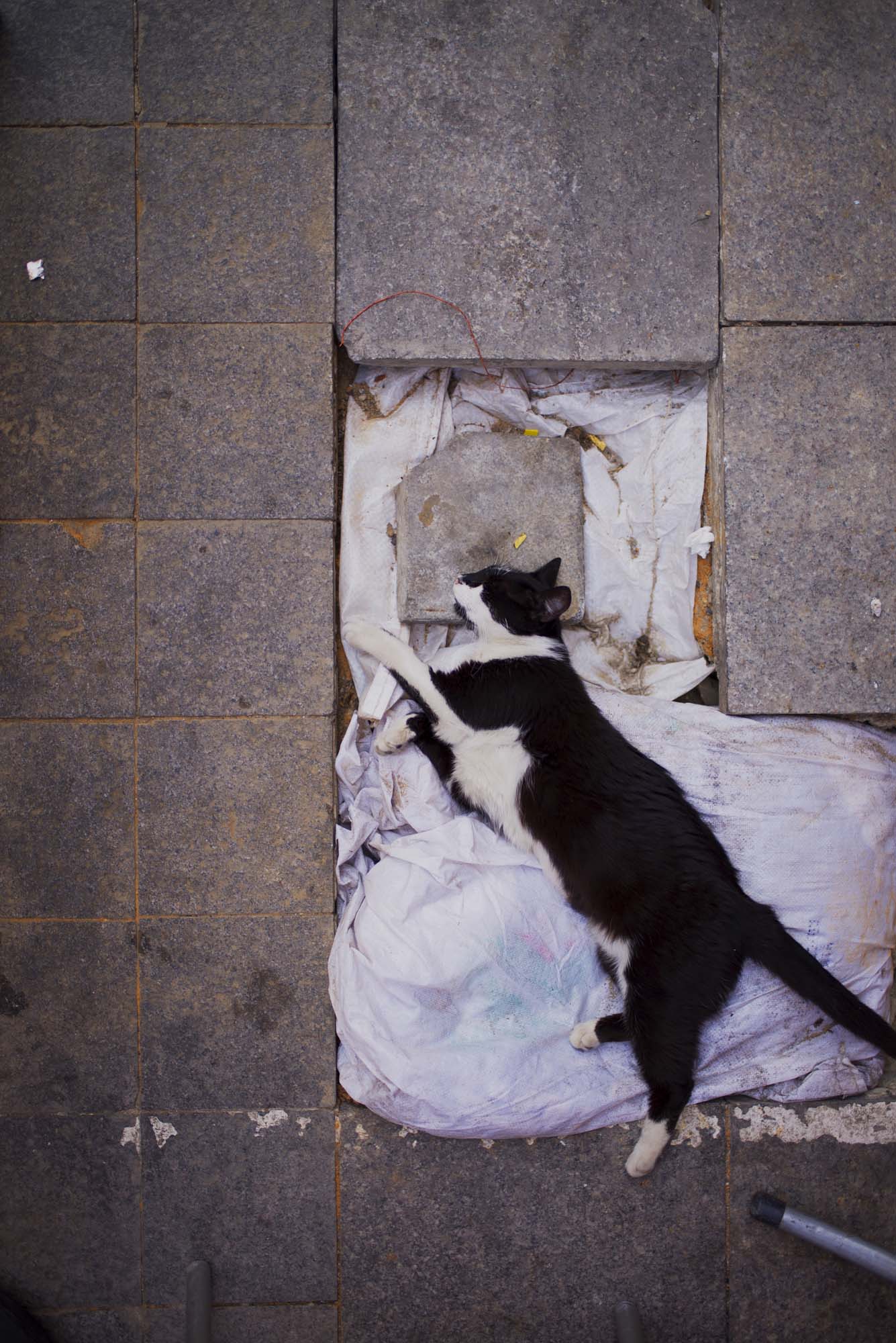





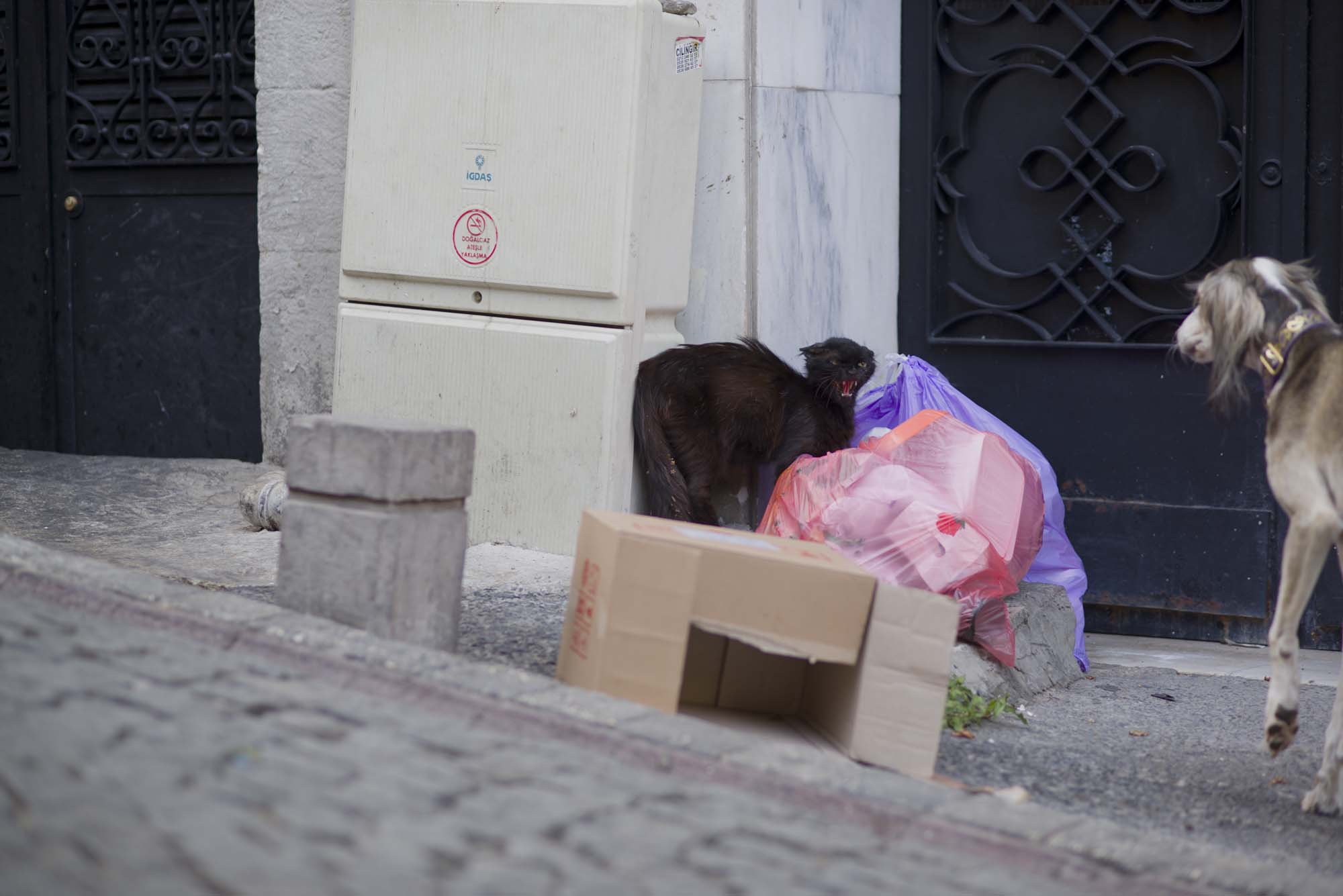


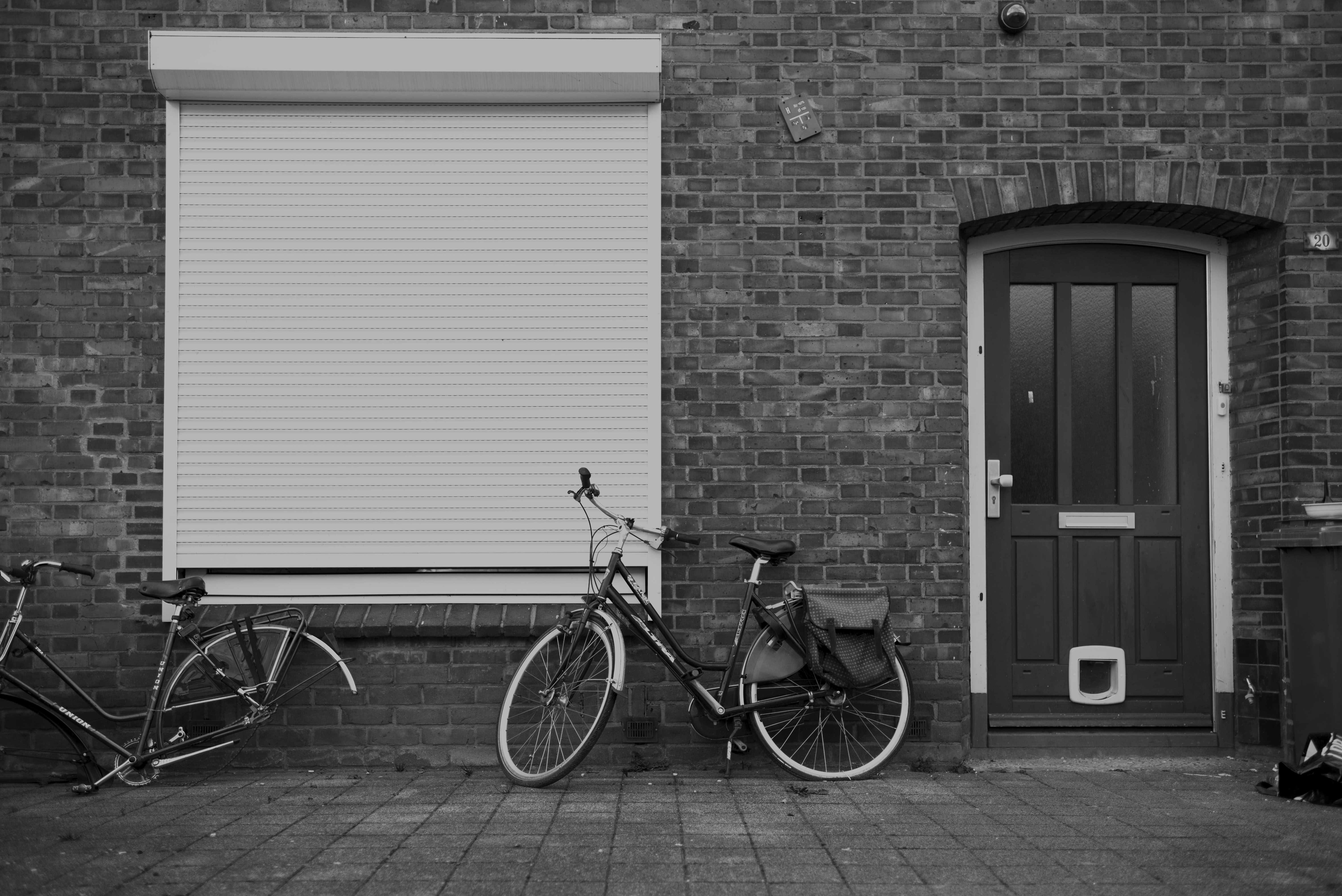

– Because life is more than black and white –
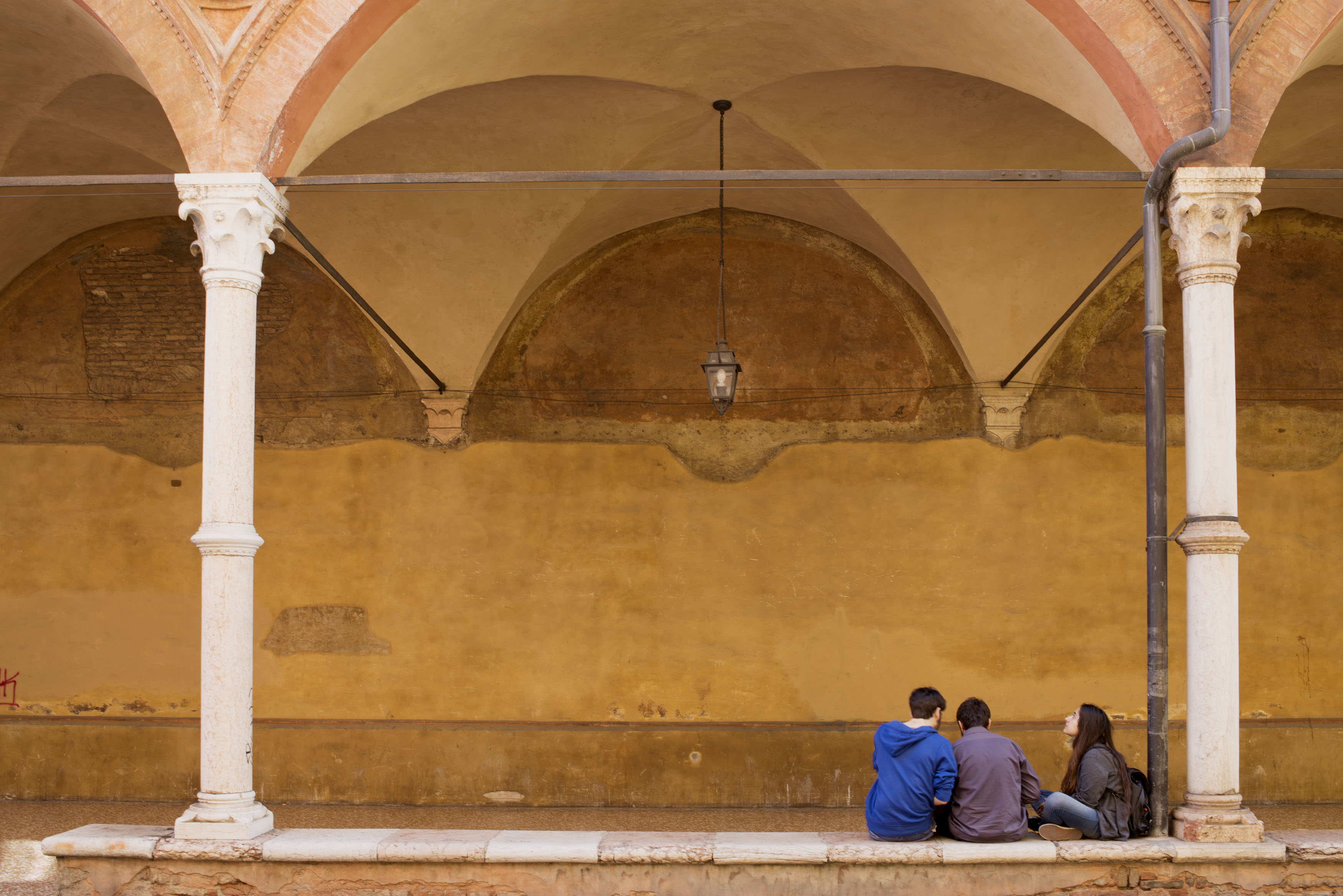
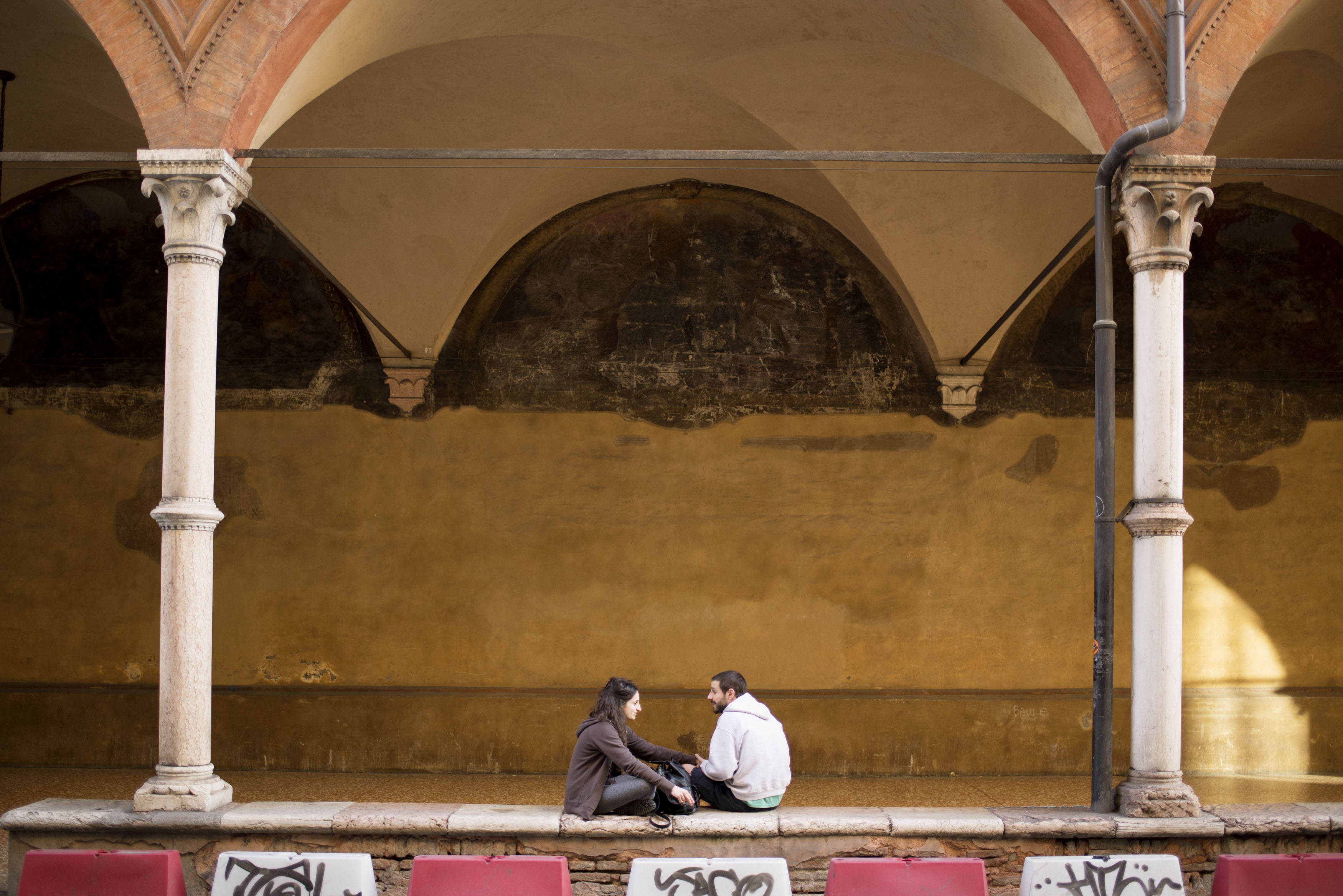
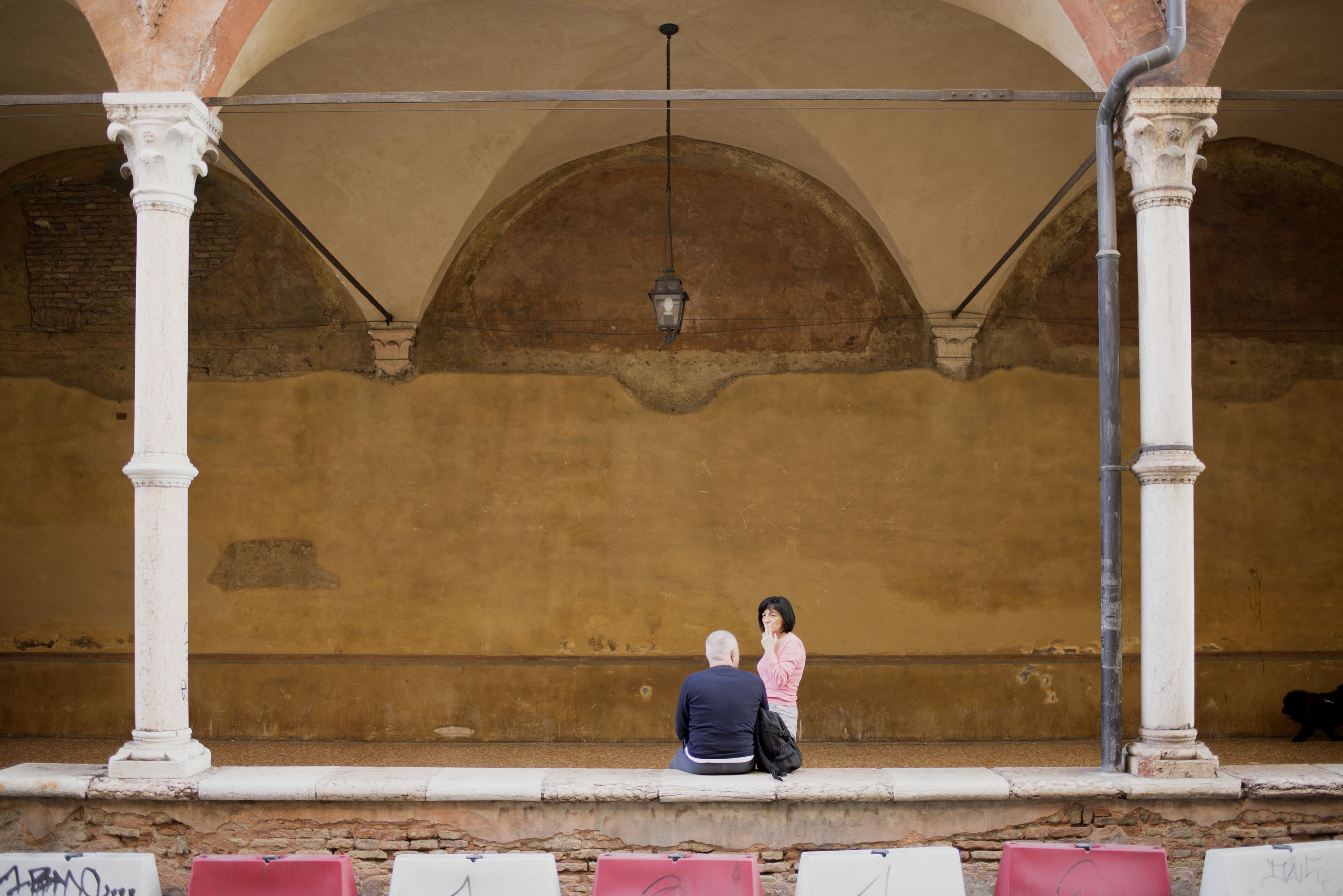
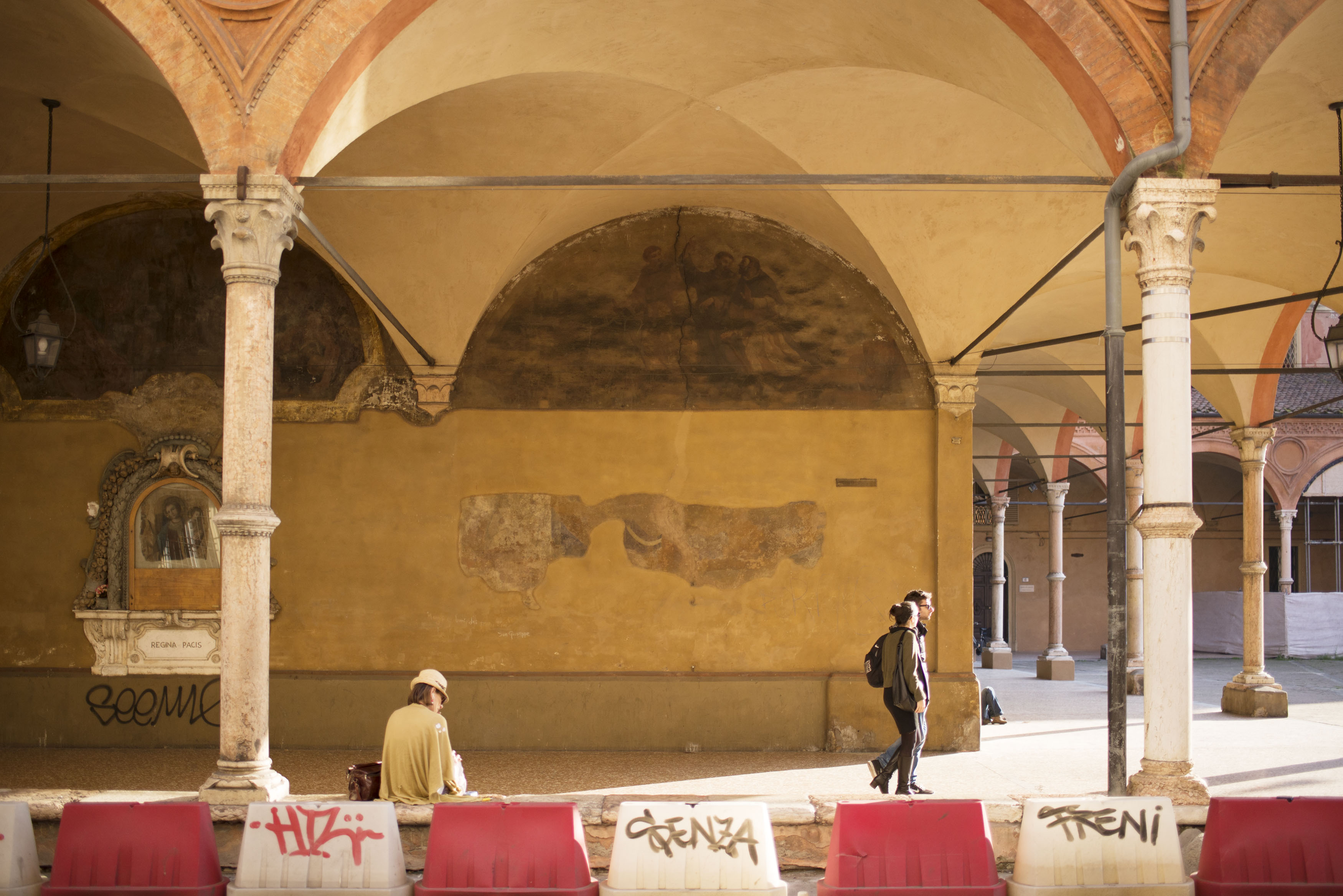
The Italian city of Bologna is over a three thousand years old, featuring the first university in the world, founded in the year 1088. Not too far away from the two towers that landmark this beautiful city, I find a spot where the centuries old buildings provide a connection between the everlasting cultural progress and its respectable past. All I do, is sit back and enjoy every modern stage of life featured by these historical arches. I call it the gallery of life.


 Design your imagination